
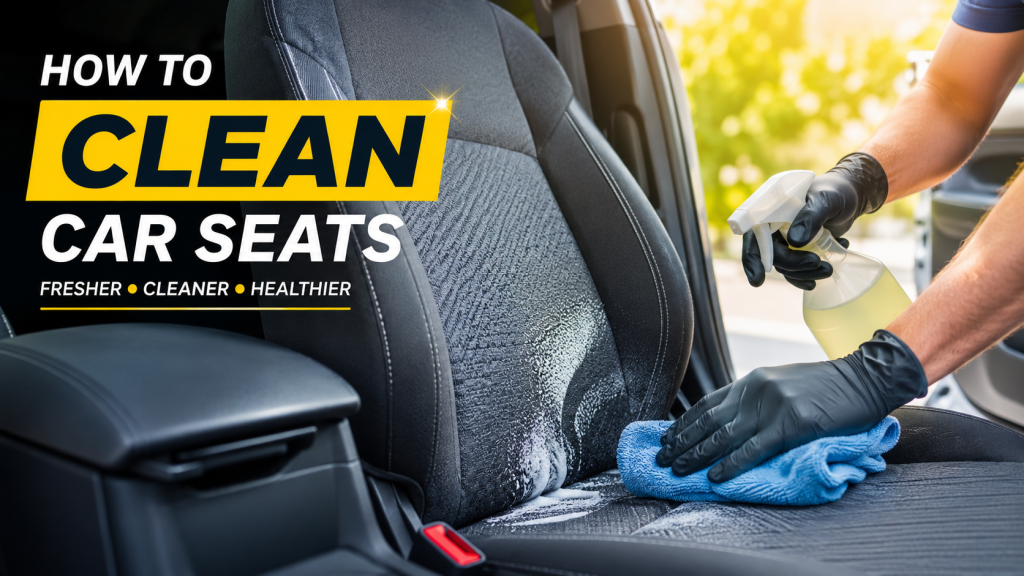
Car seats experience more wear and tear than almost any other part of your vehicle. From spilled coffee during morning commutes to muddy footprints after outdoor adventures, they collect dirt, stains, bacteria, and unpleasant odors over time. Even if your car looks clean on the outside, dirty seats can make the interior feel neglected and reduce your overall driving comfort.
Learning how to clean car seats properly not only improves your vehicle’s appearance but also extends the life of the upholstery. Whether your car has cloth, fabric, or leather seats, using the correct cleaning methods helps prevent fading, cracking, discoloration, and permanent stains. Regular cleaning also removes allergens, dust, and germs that can affect the air quality inside your vehicle.
Many car owners make the mistake of scrubbing aggressively or using household cleaners that aren’t designed for automotive upholstery. Unfortunately, these shortcuts often cause more harm than good. Understanding the right techniques and products can save you money on professional detailing while keeping your car looking like new.
In this comprehensive guide, you’ll learn the best methods for cleaning different types of car seats, removing common stains, eliminating odors, and maintaining your interior for years to come.
Why Cleaning Car Seats Is More Important Than You Think
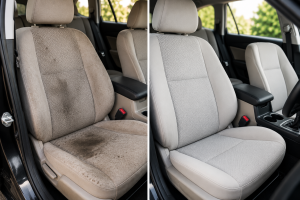
Your car seats are exposed to constant use. Every trip introduces dust, sweat, food crumbs, body oils, pet hair, and outdoor debris. Over time, these contaminants build up deep within the upholstery and become increasingly difficult to remove.
Beyond appearance, dirty seats can also affect hygiene. Moisture trapped inside fabric creates an environment where mold and bacteria may develop, especially in humid climates. Allergens such as pollen and dust mites can settle into the upholstery, making the cabin uncomfortable for sensitive passengers.
Routine cleaning helps preserve both the appearance and value of your vehicle. A well-maintained interior leaves a strong impression on buyers if you ever decide to sell or trade in your car.
Understanding Your Car Seat Material Before Cleaning
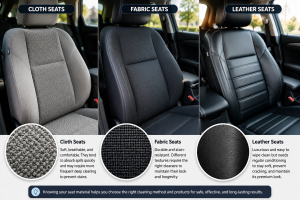
One of the biggest mistakes people make is treating every seat the same way. Different materials require different cleaning techniques, and using the wrong product may cause permanent damage.
Cloth Seats
Cloth seats are durable and comfortable but tend to absorb spills quickly. Dirt and liquids penetrate the fibers, making stains harder to remove if left untreated. Gentle fabric cleaners usually provide the best results.
If your vehicle has cloth upholstery, you’ll find a detailed walkthrough in our guide on How to Wash Cloth Seats in a Car, where we explain deep-cleaning techniques and drying methods.
Fabric Seats
Many people use the terms cloth and fabric interchangeably, but automotive fabrics can vary significantly in texture and construction. Some synthetic materials resist stains better than others and require specialized upholstery cleaners.
For a complete cleaning process designed specifically for these materials, read our guide on How to Clean Fabric Seats in a Car.
Leather Seats
Leather offers a premium appearance but requires regular maintenance to remain soft and flexible. Unlike fabric, leather can dry out and crack if harsh chemicals or excessive moisture are used.
We’ll briefly discuss leather care in this article, but you’ll find a complete maintenance guide in How to Clean Leather Car Seats, including conditioning techniques that help prevent premature aging.
Gather the Right Cleaning Supplies
Before cleaning your car seats, prepare the necessary tools. Having everything ready allows you to work efficiently without allowing cleaning solutions to dry before they’re properly removed.
You’ll generally need:
- A vacuum cleaner with upholstery attachments
- Soft microfiber towels
- Soft-bristle upholstery brush
- Automotive upholstery cleaner
- Leather cleaner (for leather seats)
- Clean warm water
- Spray bottle
- Microfiber drying towel
If you’re unsure which cleaning products are safe for your vehicle, our detailed article on What to Use to Clean Car Interior explains which cleaners work best for different materials and which products should be avoided.
Step 1: Vacuum the Seats Thoroughly
Never apply a cleaning solution directly onto dirty seats without vacuuming first.
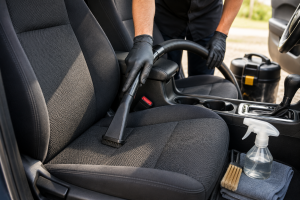
Loose dirt, sand, crumbs, pet hair, and dust act like tiny abrasives. Scrubbing over them can grind debris deeper into the upholstery and even damage delicate fibers.
Use the upholstery attachment to vacuum:
- Seat cushions
- Backrests
- Headrests
- Seat seams
- Under the seats
- Between seat cushions
- Around seatbelt buckles
Pay extra attention to creases where crumbs and dirt tend to accumulate. A crevice attachment works particularly well in these narrow spaces.
Taking a few extra minutes during this step significantly improves the effectiveness of the cleaning process.
Step 2: Test Every Cleaner First
Even products labeled as “safe for automotive upholstery” may react differently depending on your seat material and color.
Choose an inconspicuous area beneath the seat or along the lower edge and apply a small amount of cleaner. Wait several minutes before checking for discoloration, fading, or unwanted texture changes.
This simple precaution can prevent expensive damage, especially on leather or light-colored interiors.
Step 3: Clean the Seats Gently
After confirming the cleaner is safe, spray it lightly onto either the seat or a microfiber cloth, depending on the manufacturer’s instructions.
Work in small sections rather than attempting to clean the entire seat at once.
Use gentle circular motions with a soft brush to loosen embedded dirt. Avoid excessive pressure, as aggressive scrubbing can fray fabric fibers or damage leather surfaces.
Once dirt begins lifting, wipe away residue with a clean microfiber towel before moving to the next section.
For heavily soiled seats, multiple light cleaning passes are far more effective than one aggressive scrubbing session.
Step 4: Remove Common Car Seat Stains Before They Set
Even with regular cleaning, stains are inevitable. Coffee spills, greasy fast food, muddy shoes, children’s snacks, pet accidents, and makeup can all leave marks that become more difficult to remove the longer they remain on the upholstery.
The key is to treat stains as soon as possible. Fresh stains are usually much easier to lift than dried ones because they haven’t fully penetrated the seat material.
Instead of scrubbing immediately, gently blot the affected area with a clean microfiber cloth to absorb as much liquid as possible. Rubbing the stain can push it deeper into the fabric and spread it over a larger area.
Different stains require different cleaning methods. Food spills, ink, mud, grease, and beverages all respond differently to cleaning products. Using the wrong solution may set the stain permanently.
If you’re dealing with stubborn marks that won’t come out with standard upholstery cleaner, read our detailed guide on How to Get Car Seat Stains Out, where we explain the best treatments for dozens of common stain types.
How to Remove Oil Stains from Car Seats
Oil stains are among the most frustrating types of car seat stains because grease penetrates deep into upholstery fibers and often leaves a dark patch even after cleaning.
Whether the stain comes from food, sunscreen, cosmetics, engine oil, or body lotion, acting quickly greatly improves your chances of removing it completely.
Begin by blotting away excess oil with a dry microfiber cloth or paper towel. Avoid pressing too hard, as this can force the oil further into the upholstery.
A quality automotive upholstery cleaner designed for grease removal usually works well on fresh stains. Apply the cleaner according to the manufacturer’s instructions and gently agitate the area using a soft brush before wiping it clean.
Older oil stains may require several cleaning sessions before they disappear completely.
Because oil removal often depends on the upholstery material and the type of grease involved
Cleaning Cloth Seats the Right Way
Cloth seats remain one of the most common upholstery options because they’re comfortable, affordable, and durable. However, they also absorb moisture quickly, making them more susceptible to stains and odors.
After vacuuming, apply a fabric-safe upholstery cleaner evenly across the surface without soaking the material. Excess moisture can penetrate the foam padding beneath the fabric, increasing drying time and potentially causing mildew.
Use a soft brush to loosen embedded dirt while working in overlapping sections. Once the dirt begins lifting, wipe away the residue with a damp microfiber cloth.
Allow the seats to dry completely before closing the doors or using the vehicle. Opening the windows or parking in a shaded, well-ventilated area helps speed up drying.
For a deeper cleaning process that includes shampooing, drying techniques, and maintenance tips, visit our complete guide on How to Wash Cloth Seats in a Car.
How to Clean Fabric Seats Without Damaging Them
Modern automotive fabric comes in many different textures and blends. Although the cleaning process is similar to cloth upholstery, some premium fabrics require extra care to preserve their appearance.
Avoid over-saturating the material. Excess water can soak into the foam beneath the fabric and leave lingering moisture inside the seat.
Work with small sections and wipe away cleaning residue before moving to the next area. Once finished, use a dry microfiber towel to absorb any remaining moisture.
Keeping fabric seats clean isn’t just about appearance—it also helps maintain the material’s strength and prevents dirt from wearing down the fibers over time.
For a more detailed walkthrough tailored specifically to automotive fabric upholstery, read How to Clean Fabric Seats in a Car.
Cleaning Leather Car Seats Safely
Leather seats require a different approach than cloth or fabric upholstery. While leather is naturally durable, it can become dry, stiff, or cracked if cleaned improperly.
Begin by removing dust and loose dirt using a soft microfiber cloth or vacuum attachment. Dirt trapped on the surface can scratch the leather during cleaning.
Next, apply a leather-specific cleaner to a microfiber cloth rather than spraying it directly onto the seat. Gently wipe the surface using light circular motions.
Avoid household cleaners containing ammonia, bleach, alcohol, or harsh detergents. These products strip away the leather’s natural protective oils and may lead to discoloration or cracking over time.
After cleaning, apply a quality leather conditioner to restore moisture and maintain flexibility. Conditioning also helps protect the surface from UV damage and everyday wear.
If your vehicle has premium leather upholstery, our dedicated article on How to Clean Leather Car Seats explains proper conditioning schedules, recommended products, and techniques for keeping leather soft and luxurious.
How to Remove Bad Odors from Car Seats
Sometimes the seats look perfectly clean but still smell unpleasant.
Food spills, moisture, pets, sweat, and smoke can all leave lingering odors trapped within the upholstery.
The first step is identifying the source. Simply spraying an air freshener over the smell usually masks the problem rather than eliminating it.
Vacuum thoroughly, clean the upholstery, and allow the seats to dry completely. Moisture trapped inside the foam is one of the leading causes of persistent odors.
For stronger smells, specialized automotive odor eliminators designed to neutralize odor molecules often work better than heavily scented sprays.
Smoke odor deserves special attention because it spreads beyond the seats into carpets, headliners, seat belts, and even the vehicle’s ventilation system.
If cigarette smoke has become embedded throughout your interior, you’ll find a complete restoration process in How to Get Cigarette Odor Out of a Car, including tips for treating upholstery, air vents, and cabin surfaces.
Choosing the Right Products for Your Car Interior
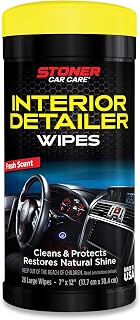


Many vehicle owners assume that any household cleaner will work on car seats. Unfortunately, this is one of the quickest ways to damage upholstery.
Different interior surfaces require different cleaning solutions. Plastic trim, leather, vinyl, rubber, fabric, and cloth all respond differently to chemicals.
Using products specifically designed for automotive interiors helps preserve color, texture, and protective coatings while reducing the risk of staining or fading.
If you’re unsure which products are safe for dashboards, door panels, center consoles, upholstery, leather, and other interior materials, our guide on What to Use to Clean Car Interior explains the best options for every surface.
How Often Should You Clean Your Car Seats?
There isn’t a single cleaning schedule that works for every vehicle. The ideal frequency depends on how often you drive, the number of passengers, whether you travel with children or pets, and the weather conditions in your area.
For most drivers, vacuuming the seats every one to two weeks helps prevent dust and dirt from building up. A deeper cleaning every two to three months keeps the upholstery looking fresh and removes stains before they become permanent. If you frequently eat in your car, transport pets, or use your vehicle for ridesharing, you may need to clean the seats more often.
Leather seats benefit from regular conditioning every three to six months. Conditioning keeps the material supple, reduces the risk of cracking, and helps maintain its original finish. Cloth and fabric seats, on the other hand, should always be allowed to dry completely after cleaning to prevent mildew or lingering odors.
By following a simple maintenance routine, you can reduce the need for intensive cleaning sessions and keep your car interior in excellent condition year-round.
Tips to Keep Car Seats Cleaner for Longer
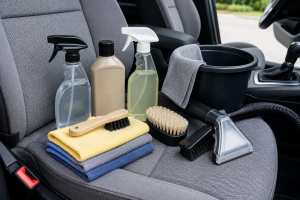
Cleaning your seats is important, but preventing dirt and stains from building up is even better. A few simple habits can make a noticeable difference in the long-term appearance of your vehicle.
Try to wipe up spills as soon as they happen. Liquids that sit on the upholstery for too long can soak into the padding beneath the surface, making stains much more difficult to remove.
Regular vacuuming also prevents dirt from becoming embedded in the fibers. Small particles such as sand and dust can gradually wear down upholstery every time someone sits on the seats.
Seat covers are another practical option, especially if you have young children, pets, or frequently transport messy items. They provide an extra layer of protection and are usually easier to wash than the original upholstery.
Whenever possible, avoid eating inside the vehicle. Food crumbs, sugary drinks, and greasy snacks are some of the most common causes of stains and unpleasant odors.
Parking in shaded areas or using a windshield sunshade can also help protect leather and fabric from prolonged UV exposure. Excessive heat can fade colors, dry out leather, and shorten the lifespan of interior materials.
Small preventive measures like these save time, reduce cleaning costs, and keep your car looking newer for longer.
Common Mistakes to Avoid When Cleaning Car Seats
Even with good intentions, some cleaning methods can do more harm than good. One of the most common mistakes is soaking the seats with too much water or cleaning solution. Excess moisture can seep into the foam beneath the upholstery, increasing drying time and creating an environment where mold and mildew may develop.
Another mistake is using household cleaners that contain bleach, ammonia, or strong detergents. These chemicals may discolor fabric, weaken stitching, or strip protective coatings from leather surfaces.
Scrubbing aggressively is equally problematic. While it may seem like the fastest way to remove a stain, excessive force can damage upholstery fibers, leave fuzzy patches on cloth seats, or scratch leather.
Skipping the vacuuming step is another frequent error. Dirt and grit trapped on the surface can act like sandpaper when rubbed during cleaning, leading to unnecessary wear.
Finally, never ignore the manufacturer’s care recommendations. Some vehicles use specialty materials that require specific cleaning products and techniques.
Taking a careful approach not only produces better results but also protects your investment.
Frequently Asked Questions
Can I use household cleaners on car seats?
It’s generally best to avoid household cleaning products unless the manufacturer specifically states they are safe for automotive upholstery. Dedicated car interior cleaners are formulated to clean effectively without damaging fabric, leather, or protective coatings.
What is the safest way to clean cloth car seats?
Vacuum the seats first, apply a fabric-safe upholstery cleaner, gently agitate the surface with a soft brush, and wipe away the residue using a microfiber cloth. Allow the seats to dry completely before using the vehicle.
How do I remove stubborn stains from car seats?
The best approach depends on the type of stain. Food, grease, ink, coffee, and mud all require different cleaning methods. Treat stains as soon as possible and avoid rubbing aggressively.
You can find detailed solutions in our article on How to Get Car Seat Stains Out.
How often should leather seats be conditioned?
Most leather interiors benefit from conditioning every three to six months. Vehicles exposed to strong sunlight or hot climates may require conditioning more frequently to prevent drying and cracking.
Can cigarette smoke be completely removed from a car?
Yes, but it usually requires more than simply cleaning the seats. Smoke particles settle into carpets, headliners, air vents, and cabin filters. A thorough interior cleaning combined with odor-neutralizing treatments provides the best results.
Final Thoughts
Knowing how to clean car seats is one of the simplest ways to improve the comfort, appearance, and value of your vehicle. Whether your seats are made from cloth, fabric, or leather, using the right cleaning methods helps remove dirt, eliminate odors, and extend the life of your interior.
Regular maintenance is far easier than dealing with years of built-up grime. Vacuuming frequently, treating spills immediately, and choosing products designed for automotive upholstery can prevent many common problems before they become expensive to fix.