

Fabric car seats offer comfort and style, but they also absorb dust, spills, food crumbs, pet hair, and everyday grime. Over time, these contaminants can leave your car looking untidy and smelling unpleasant. Fortunately, you don’t need expensive detailing services to restore your seats. Learning how to clean fabric seats in a car can help you keep your vehicle fresh, hygienic, and well-maintained while extending the life of the upholstery.
The key is using the right cleaning products, proper techniques, and avoiding excessive moisture that can lead to mold or mildew. Whether you’re dealing with coffee stains, muddy footprints, or general dirt buildup, this guide will show you how to clean fabric car seats safely and effectively.
Why How to Clean Fabric Seats Matters for Your Car
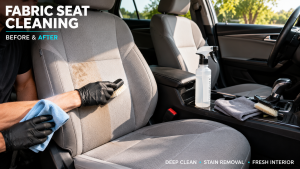
Fabric upholstery traps dirt much more easily than leather or vinyl. Everyday use allows dust, body oils, and moisture to settle deep into the fibers, making stains harder to remove over time.
Regular cleaning offers several benefits:
- Removes dirt and allergens
- Eliminates unpleasant odors
- Prevents permanent stains
- Keeps the interior looking newer
- Improves air quality inside the vehicle
- Helps maintain your car’s resale value
A consistent cleaning routine can make a noticeable difference in both appearance and comfort.
What You’ll Need for How to Clean Fabric Seats
Before you begin, gather all the necessary cleaning supplies.
You’ll need:
- Vacuum cleaner with upholstery attachment
- Fabric upholstery cleaner
- Soft-bristle brush
- Microfiber towels
- Warm water
- Spray bottle (for DIY cleaner)
- Bucket
- Wet/dry vacuum (optional)
Using automotive upholstery cleaners designed for fabric is the safest option, as they remove dirt without damaging the material.
How to Clean Fabric Seats in a Car Step by Step
Cleaning fabric seats doesn’t have to be difficult when you follow the right process.
Step 1: Vacuum the Seats Thoroughly
Begin by removing all loose dirt, crumbs, dust, and pet hair.
Use a vacuum attachment to clean:
- Seat cushions
- Seat backs
- Between seat seams
- Under the seats
- Around seat belts
This step prevents dirt from mixing with the cleaner and creating muddy residue.
Step 2: Inspect for Stains
Before cleaning the entire seat, identify any stubborn stains.
Common stains include:
- Coffee
- Soda
- Mud
- Grease
- Ink
- Food spills
- Pet accidents
Treat heavily stained areas separately before cleaning the full seat.
Step 3: Apply Fabric Upholstery Cleaner
Spray the upholstery cleaner evenly onto the fabric.
Avoid soaking the seat.
Too much moisture can penetrate the foam cushion underneath, increasing drying time and encouraging mold growth.
Work on one seat at a time for the best results.
Step 4: Gently Scrub the Fabric
Using a soft-bristle brush, gently scrub the cleaner into the upholstery using circular motions.
Focus extra attention on stained areas while avoiding aggressive scrubbing that could damage the fibers.
Allow the cleaner to loosen dirt for a few minutes if recommended by the product instructions.
Step 5: Wipe Away Dirt
Use a clean microfiber towel to blot away loosened dirt and excess cleaner.
Avoid rubbing the towel harshly.
Blotting lifts dirt while protecting the fabric from unnecessary wear.
If stains remain, repeat the cleaning process.
Step 6: Remove Excess Moisture
If available, use a wet/dry vacuum to extract moisture from the seats.
This helps:
- Speed up drying
- Reduce odors
- Remove deeper dirt
- Prevent mildew
If you don’t have a wet vacuum, continue blotting with dry microfiber towels until the seats are only slightly damp.
Step 7: Allow the Seats to Dry Completely
Proper drying is essential.
Leave the car doors or windows open to improve airflow.
For faster drying:
- Park in a shaded, well-ventilated area.
- Use portable fans if available.
- Avoid using the vehicle until the seats are dry.
Never place seat covers over damp fabric, as trapped moisture can cause unpleasant odors or mold.
Homemade Cleaner for Fabric Car Seats
If you prefer a DIY cleaning solution, you can make a gentle fabric cleaner using common household ingredients.
Mix:
- 2 cups warm water
- 1 teaspoon mild dish soap
- 1 tablespoon white vinegar
Pour the mixture into a spray bottle and shake gently.
Lightly spray the fabric, scrub with a soft brush, and blot dry with a microfiber towel.
Always test homemade cleaners on a hidden area before applying them to visible upholstery.
Best Products for Cleaning Fabric Car Seats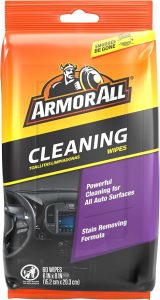
Choose upholstery cleaners specifically formulated for automotive interiors.
Look for products that offer:
- Safe fabric cleaning
- Low-residue formulas
- Odor removal
- Fast drying
- Non-bleaching ingredients
Using products made for vehicle interiors helps protect fabric while delivering better cleaning results.
How to Remove Common Stains from Fabric Seats
Different stains require slightly different approaches.
Coffee Stains
Blot the spill immediately and clean with upholstery cleaner before it dries.
Mud
Allow mud to dry completely before vacuuming. Then clean the remaining stain.
Grease
Apply a fabric-safe cleaner designed for oil-based stains and blot carefully.
Food Stains
Remove any solid residue before applying cleaner.
Pet Hair
Vacuum first, then use a rubber brush or lint remover to lift stubborn hair from the fabric.
The sooner stains are treated, the easier they are to remove.
Mistakes to Avoid When Cleaning Fabric Seats
Avoid these common cleaning mistakes:
- Using bleach
- Soaking the seats with water
- Scrubbing aggressively
- Using stiff brushes
- Ignoring spills for long periods
- Skipping the vacuuming step
- Leaving seats damp after cleaning
Gentle cleaning with proper drying is far more effective than using excessive force.
How Often Should You Clean Fabric Seats in a Car?
Cleaning frequency depends on your driving habits.
A simple maintenance schedule is:
- Vacuum every one to two weeks
- Clean spills immediately
- Spot clean stains as needed
- Deep clean every three to six months
If you frequently travel with children, pets, or passengers, more frequent cleaning may be necessary.
Tips to Keep Fabric Car Seats Cleaner for Longer
Keeping seats clean becomes easier with a few simple habits.
- Vacuum regularly.
- Remove trash after every trip.
- Wipe spills immediately.
- Avoid eating messy foods inside the car.
- Use removable seat covers if needed.
- Keep cleaning wipes in the glove compartment.
- Shake dirt off shoes before entering the vehicle.
Small habits help reduce deep cleaning over time.
Frequently Asked Questions
Can I use carpet cleaner on fabric car seats?
Yes. Many carpet cleaners include upholstery attachments that work well on fabric car seats. Follow the manufacturer’s instructions and avoid over-wetting the upholstery.
Can I use dish soap to clean fabric seats?
A small amount of mild dish soap mixed with warm water can work for light cleaning. However, dedicated automotive upholstery cleaners usually provide better results.
How long do fabric seats take to dry?
Drying time generally ranges from 2 to 6 hours, depending on humidity, airflow, and how much moisture was used during cleaning.
How do I remove odors from fabric seats?
After cleaning and drying, sprinkle baking soda over the seats, leave it for several hours, then vacuum thoroughly to help absorb lingering odors.
Final Thoughts
Knowing how to clean fabric seats in a car is an easy way to keep your vehicle’s interior looking clean, smelling fresh, and feeling more comfortable. With the right cleaning supplies, gentle techniques, and regular maintenance, you can remove dirt, stains, and odors without damaging the upholstery.
Instead of waiting until your seats become heavily stained, make fabric seat cleaning part of your routine vehicle care. A little effort every few months will help preserve your car’s interior, improve comfort, and maintain its value for years to come.