
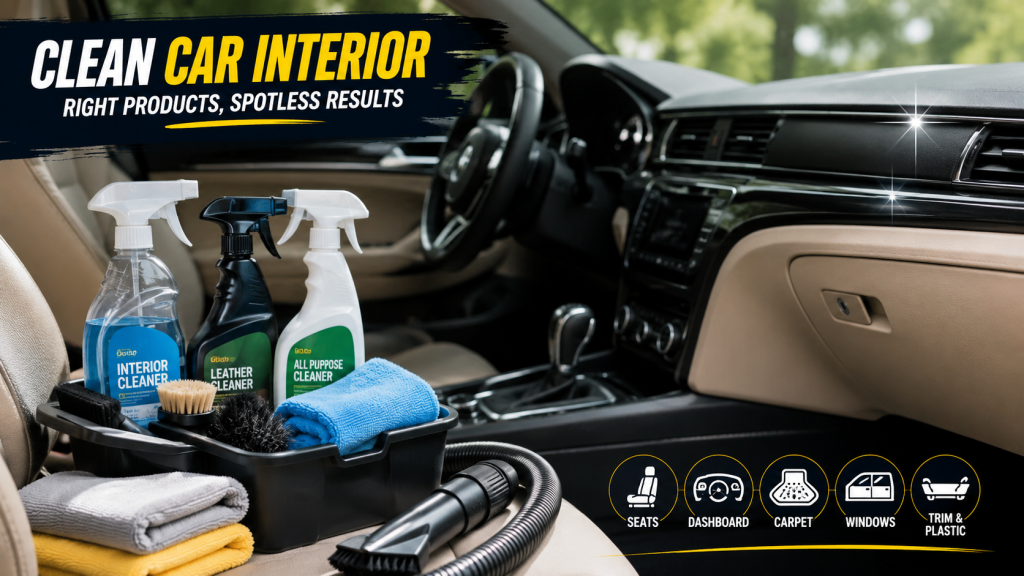
A clean car interior does more than make your vehicle look attractive—it creates a healthier, more comfortable driving environment. Dust, dirt, food crumbs, pet hair, and stains build up over time, making your car feel neglected and even causing unpleasant odors. Fortunately, you don’t need expensive professional detailing to keep your vehicle looking fresh.
Knowing what to use to clean car interior surfaces correctly is the key to protecting your upholstery, dashboard, leather, plastic, and glass. Using the wrong products can damage delicate materials, while the right cleaning tools help extend the life of your car’s interior.
This guide explains the best products, tools, and cleaning methods for every part of your vehicle.
Why Choosing the Right Interior Cleaner Matters
Every surface inside your vehicle is made from different materials. Leather requires conditioning, fabric absorbs stains, plastic can fade, and electronic screens need gentle care.
Using proper cleaning products helps you:
- Remove dust and allergens
- Prevent stains from becoming permanent
- Reduce bacteria buildup
- Preserve upholstery and trim
- Improve your driving experience
- Maintain your vehicle’s resale value
The best cleaner depends on the surface you’re cleaning.
What to Use to Clean Car Interior Seats
Seats collect the most dirt because they’re used every day.
Fabric Seats
Fabric upholstery responds well to mild cleaners that lift dirt without soaking the material.
You’ll need:
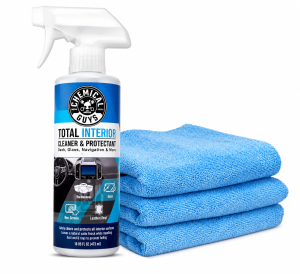
- Upholstery cleaner
- Soft brush
- Microfiber towels
- Vacuum cleaner
Vacuum first to remove loose debris. Spray a small amount of cleaner onto the fabric, gently scrub in circular motions, then wipe away the moisture with a clean microfiber towel.
Allow the seats to dry completely before driving.
Leather Seats
Leather needs gentle cleaning and regular conditioning.
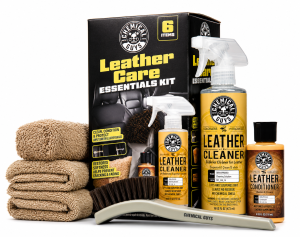
Use:
- Leather cleaner
- Leather conditioner
- Soft microfiber cloth
Never use harsh household cleaners or bleach on leather. After cleaning, apply a leather conditioner to prevent cracking and fading.
What to Use to Clean Car Interior Dashboard
The dashboard is constantly exposed to sunlight, causing dust buildup and fading.
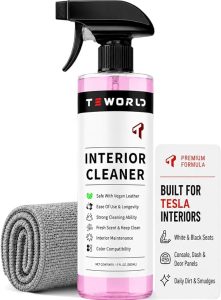
For safe cleaning, use:
- Microfiber cloth
- Interior dashboard cleaner
- Soft detailing brush
Spray the cleaner onto the cloth instead of directly onto the dashboard. This prevents excess liquid from entering vents or electronics.
After wiping, use a dry cloth to buff the surface for a natural finish.
Avoid oily products that leave a shiny, slippery surface.
What to Use to Clean Car Interior Carpet and Floor Mats
Floor mats collect mud, sand, spilled drinks, and everyday dirt.

The easiest cleaning method includes:
- Vacuum cleaner
- Carpet cleaner
- Stiff brush
- Warm water
Remove the floor mats from the vehicle before cleaning.
Vacuum thoroughly, spray carpet cleaner, scrub stubborn stains, then rinse rubber mats with water.
Fabric mats should dry completely before placing them back inside the vehicle.
What to Use to Clean Car Interior Plastic and Vinyl
Door panels, center consoles, and trim pieces are usually made from plastic or vinyl.
Recommended cleaning supplies include:
- All-purpose interior cleaner
- Microfiber cloth
- Soft detailing brush
Wipe gently to remove fingerprints, dust, and sticky residue.
Avoid products containing strong solvents that may discolor plastic surfaces.
What to Use to Clean Car Interior Windows
Dirty windows reduce visibility and leave distracting streaks.

For crystal-clear glass, use:
- Automotive glass cleaner
- Two microfiber towels
Spray cleaner onto one towel rather than directly onto the glass.
Use the first towel to clean the window and the second dry towel to remove streaks.
Don’t forget the inside of the windshield, where a thin film often builds up over time.
Best Tools to Use to Clean Car Interior
Having the right equipment makes cleaning faster and more effective.
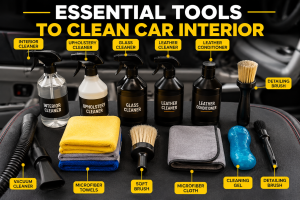
Essential tools include:
- Vacuum cleaner with attachments
- Microfiber towels
- Soft detailing brushes
- Upholstery brush
- Spray bottles
- Interior cleaning wipes
- Leather conditioner
- Glass cleaner
- Cotton swabs for tight spaces
Microfiber towels are especially useful because they trap dust without scratching surfaces.
Natural Products to Use to Clean Car Interior
If you prefer avoiding harsh chemicals, several household items can safely clean many interior surfaces.
Popular natural options include:
White Vinegar
Mixed with equal parts water, vinegar helps remove light stains and neutralize odors.
Avoid using it on leather.
Baking Soda
Perfect for absorbing unpleasant smells from carpets and fabric seats.
Sprinkle lightly, let it sit for several hours, then vacuum thoroughly.
Mild Dish Soap
A few drops mixed with warm water can clean plastic trim and vinyl surfaces without causing damage.
Warm Water
Sometimes warm water and a microfiber cloth are all you need for light dust and fingerprints.
Cleaning Mistakes to Avoid
Even with good intentions, some cleaning habits can damage your car.
Avoid these common mistakes:
- Using bleach inside the vehicle
- Scrubbing leather aggressively
- Applying too much water to fabric seats
- Spraying cleaner directly onto electronic screens
- Using paper towels that scratch delicate surfaces
- Leaving moisture trapped under floor mats
- Ignoring small spills until they become stains
Gentle cleaning performed regularly works better than aggressive deep cleaning once a year.
How Often Should You Clean Your Car Interior?
The ideal schedule depends on how often you drive.
A practical routine looks like this:
- Vacuum weekly
- Wipe the dashboard every week
- Clean windows every two weeks
- Deep clean seats every two to three months
- Condition leather every three to four months
- Perform a full interior detail twice a year
Regular maintenance prevents dirt from becoming difficult to remove.
Tips to Keep Your Car Interior Cleaner Longer
Keeping your vehicle clean doesn’t require daily effort.
Try these simple habits:
- Shake out floor mats regularly.
- Remove trash after every trip.
- Wipe spills immediately.
- Keep a microfiber cloth in the glove box.
- Avoid eating messy foods inside the car.
- Store cleaning wipes for quick touch-ups.
- Vacuum before dirt becomes embedded in carpets.
Small habits can significantly reduce the need for deep cleaning.
Frequently Asked Questions
What is the safest thing to use to clean a car interior?
Microfiber cloths paired with automotive interior cleaners are the safest choice. They clean effectively without scratching or damaging most surfaces.
Can I use household cleaners inside my car?
Some mild products, such as diluted dish soap, are safe for certain surfaces. However, strong household cleaners containing bleach or ammonia should generally be avoided because they may damage upholstery, leather, or plastic trim.
Is vinegar safe for cleaning a car interior?
Diluted white vinegar can be used on fabric, plastic, and glass. It should not be used on leather because it can dry out the material.
How do professionals clean car interiors?
Professional detailers typically vacuum thoroughly, use specialized cleaners for each material, steam clean fabrics when necessary, condition leather, clean glass separately, and finish with protective treatments for plastic and vinyl surfaces.
Final Thoughts
Knowing what to use to clean car interior surfaces makes maintaining your vehicle much easier. The right combination of microfiber towels, gentle automotive cleaners, soft brushes, and regular vacuuming can keep your car looking fresh throughout the year.
Instead of relying on harsh chemicals or one-size-fits-all products, choose cleaning supplies designed for each material. With a consistent cleaning routine and the proper tools, your car’s interior will stay cleaner, smell fresher, and remain in excellent condition for years to come.