
Introduction
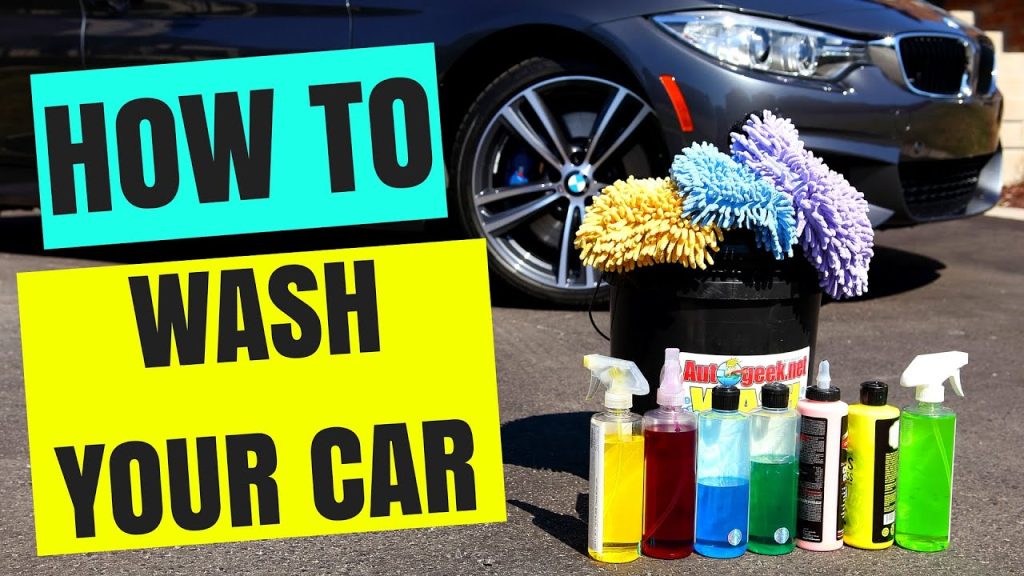
Knowing how to wash a car properly is one of the easiest ways to protect your vehicle’s paint, maintain its value, and keep it looking showroom fresh. While driving through an automatic car wash may seem convenient, washing your car by hand gives you better results and reduces the risk of scratches.
In this guide, you’ll discover the best way to wash a car, learn the two bucket car wash method, explore helpful car washing tips and tricks, and understand how to clean a car exterior properly without damaging the paint.
Why Learning How to Wash a Car Is Important
Knowing how to wash a car properly does more than improve its appearance. Regular washing removes harmful contaminants that can damage your vehicle’s paint and reduce its resale value.
Benefits of washing your car correctly include:
- Protecting the paint from scratches
- Preventing rust and corrosion
- Removing dirt and road salt
- Improving visibility with clean windows
- Maintaining your vehicle’s value
A clean car also makes applying wax or ceramic coatings much more effective.
Essential Supplies for How to Wash a Car Properly
Before you begin, gather the right supplies. Using proper car care products makes washing safer and delivers better results.
Choose the Right Car Wash Soap
A pH-balanced car wash shampoo is specially formulated to clean automotive paint without stripping away protective wax.
Avoid using:
- Dish soap
- Laundry detergent
- Household cleaners
These products can damage your vehicle’s finish over time.
Use Microfiber Wash Mitts and Drying Towels
Microfiber products are one of the best investments for anyone learning how to wash a car.
Benefits include:
- Gentle on paint
- Excellent dirt removal
- Reduced swirl marks
- Better water absorption
Replace worn or dirty microfiber towels regularly for the best results.
Prepare Two Buckets for Safe Car Washing
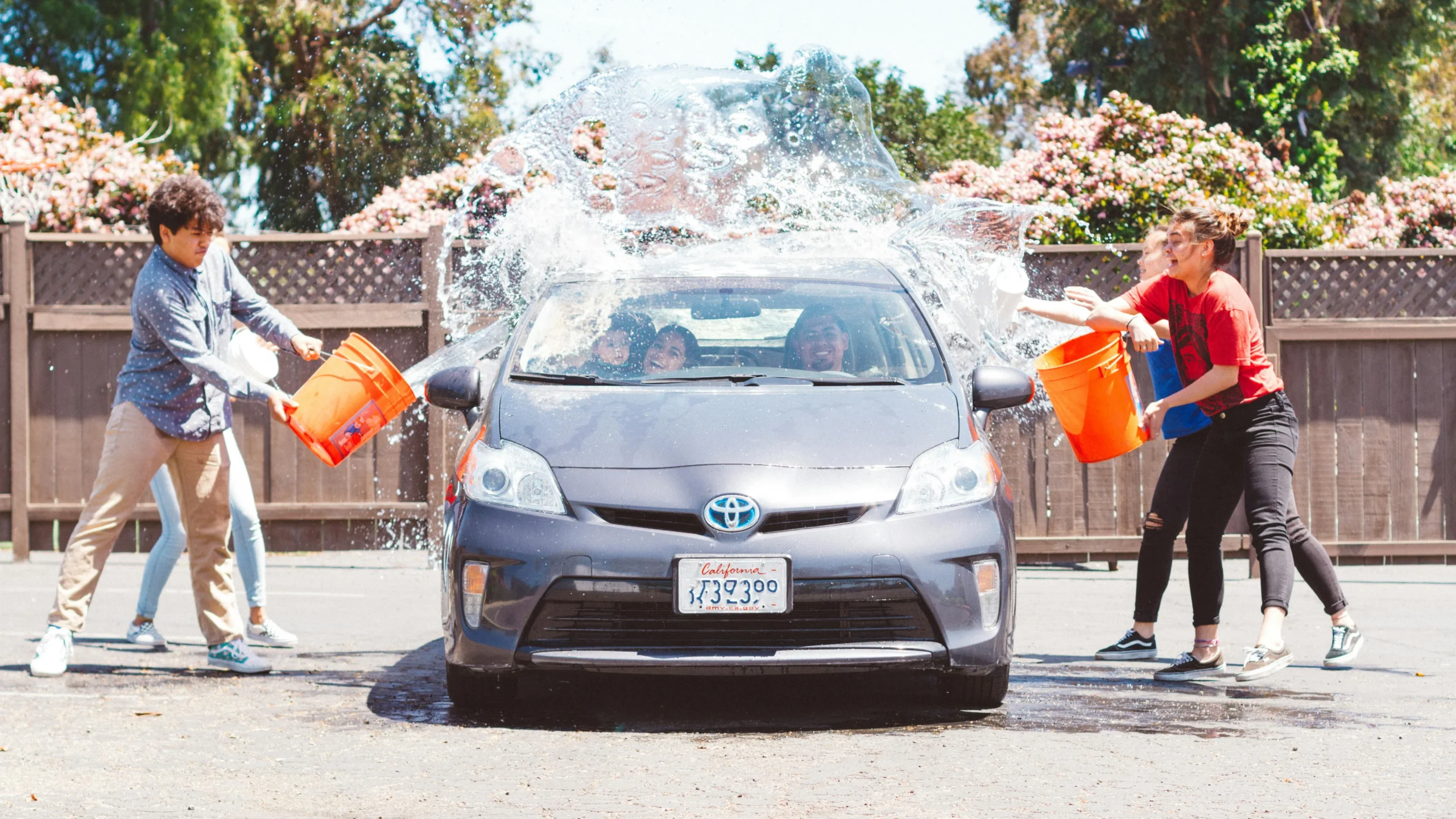
Professional detailers recommend the two-bucket method.
You’ll need:
- One bucket with car shampoo and water
- One bucket with clean rinse water
This method prevents dirt from being transferred back onto your vehicle.
How to Wash a Car Step by Step
Following a proper washing routine helps protect your vehicle while achieving a spotless finish.
Step 1: Park in a Shaded Area
Before washing, move your vehicle to a shaded location.
This helps:
- Prevent water spots
- Stop soap from drying too quickly
- Make rinsing easier
Early morning or late afternoon is usually the ideal time.
Step 2: Rinse the Car Thoroughly
The first step in how to wash a car is removing loose dirt before touching the paint.
Use a hose or pressure washer to rinse away:
- Dust
- Sand
- Mud
- Leaves
- Road debris
Never wash a dry, dirty car because trapped grit can scratch the surface.
Step 3: Wash the Car from Top to Bottom
Always clean the vehicle in this order:
- Roof
- Windows
- Hood
- Trunk
- Doors
- Lower panels
- Bumpers
The lower areas collect the most dirt, so they should always be washed last.
Step 4: Use the Two-Bucket Washing Method
The Two Bucket Car Wash Method is widely recommended by professional detailers because it minimizes swirl marks.
Here’s how it works:
Bucket One
Contains clean water mixed with car shampoo.
Bucket Two
Contains plain water for rinsing your wash mitt.
After cleaning one section, rinse the mitt in the clean-water bucket before dipping it back into the soap bucket.
This simple method keeps dirt away from your vehicle’s paint and significantly reduces scratches.
Step 5: Wash One Section at a Time
Instead of covering the entire car with soap, work panel by panel.
This prevents soap from drying before you rinse it away.
Use gentle straight-line motions instead of circular scrubbing to minimize swirl marks.
Step 6: Clean the Wheels and Tires Separately
Your wheels are usually the dirtiest part of the vehicle.
Use:
- A dedicated wheel cleaner
- A separate brush
- A different microfiber cloth
Never use the same wash mitt on both your paint and wheels.
Step 7: Rinse Away All Soap
After washing every section, rinse the vehicle thoroughly.
Pay close attention to:
- Mirrors
- Door handles
- Trim
- Wheel wells
Soap residue can leave streaks if left behind.
Step 8: Dry the Car Properly
Drying is one of the most important steps when learning how to wash a car.
Use large microfiber drying towels instead of letting the car air dry.
Proper drying helps prevent:
- Water spots
- Mineral deposits
- Streaks
How to Wash a Car Without Scratching the Paint
Protecting your paint requires more than simply using soap.
Use Clean Washing Tools

Always inspect your wash mitt before starting.
Replace:
- Dirty mitts
- Worn towels
- Damaged brushes
Clean tools produce safer results.
Avoid Automatic Brush Car Washes
Many automatic car washes use stiff brushes that may scratch your paint.
Whenever possible, choose:
- Hand washing
- Touchless car washes
Wash Your Car Regularly
Waiting too long between washes allows dirt and contaminants to become harder to remove.
Most experts recommend washing your vehicle every two weeks.
How to Protect Your Car After Washing
Cleaning is only the first step in maintaining your vehicle.
Apply Car Wax
Wax provides a protective layer against:
- UV rays
- Bird droppings
- Dirt
- Water
Most waxes last one to three months.
Use Ceramic Spray Coatings
Ceramic sprays make future washing easier by helping water and dirt slide off the paint.
They also improve gloss and protection.
Common Mistakes When Learning How to Wash a Car
Avoid these common errors.
Using Dish Soap
Dish soap removes protective wax and can dry out automotive paint.
Washing in Direct Sunlight
Heat causes soap and water to dry too quickly.
Always choose a shaded location.
Using Old Towels
Regular towels can trap grit and scratch your paint.
Microfiber towels are much safer
Skipping the Initial Rinse
Never rub dry dirt across your vehicle.
Always rinse thoroughly before washing.
Frequently Asked Questions
How often should I wash my car?
Most vehicles benefit from washing every two weeks. Wash more frequently if you drive in dusty, muddy, or snowy conditions.
Can I use dish soap to wash my car?
No. Dish soap removes wax and may damage your paint over time.
Should I wax my car after every wash?
Not after every wash, but applying wax every few months helps protect your vehicle’s finish.
Is hand washing better than automatic car washes?
Yes. Hand washing offers greater control and reduces the risk of scratches caused by automatic brushes.
Extra Tips for Washing a Car Like a Professional
For even better results:
- Use filtered water if possible.
- Replace microfiber towels regularly.
- Wash wheels last.
- Dry hidden areas carefully.
- Remove bird droppings immediately.
- Store cleaning supplies properly.
- Apply tire dressing after cleaning.
These small details help your vehicle maintain a showroom-quality appearance.
Conclusion
Learning how to wash a car the right way isn’t difficult, but using the proper techniques makes all the difference. By following the best way to wash a car, using the Two Bucket Car Wash Method, applying these car washing tips and tricks, and understanding how to clean a car exterior properly, you can keep your vehicle looking glossy while protecting its paint for years to come.
A little time spent washing your car by hand not only improves its appearance but also helps preserve its value. Make regular washing part of your maintenance routine, and your vehicle will continue to look its best every time you hit the road.