
Introduction
If you’re wondering how to clean a car exterior properly, you’re already taking the first step toward protecting your vehicle’s paint and keeping it looking its best. A proper exterior cleaning routine removes dirt, road grime, bird droppings, and other contaminants that can damage your car’s finish over time. By following the best way to wash a car, using the Two Bucket Car Wash Method, and applying a few practical car washing tips and tricks, you can achieve a professional-quality finish right at home.
Whether you’re preparing your car for a road trip or simply maintaining its appearance, this guide will walk you through every step.
Why It’s Important to Clean a Car Exterior Properly
Knowing how to clean a car exterior properly does much more than improve your vehicle’s appearance. Dirt, bird droppings, tree sap, road salt, and bug splatter can slowly damage your car’s paint if left untreated.
Regular exterior cleaning offers several benefits:
- Protects the paint from contaminants
- Prevents rust and corrosion
- Maintains your car’s resale value
- Improves visibility by keeping windows clean
- Enhances your vehicle’s overall appearance
A well-maintained exterior also makes applying wax or ceramic coatings much more effective.
Essential Supplies to Clean a Car Exterior Properly
Before you begin, gather the right cleaning products. Using household detergents or rough sponges can damage your vehicle’s finish.

You’ll need:
- Car wash shampoo
- Two large buckets
- Microfiber wash mitt
- Soft wheel brush
- Tire cleaner
- Microfiber drying towels
- Hose or pressure washer
- Glass cleaner
- Wheel cleaner
- Spray wax or car wax
Using quality products makes the cleaning process safer and delivers better results.
How to Prepare Before You Clean a Car Exterior Properly
Preparation is one of the most overlooked steps when learning how to clean a car exterior properly.
Choose the Right Location for Washing
Always wash your car:
- In the shade
- During cooler parts of the day
- Away from direct sunlight
Direct sunlight causes soap and water to dry too quickly, leaving unsightly water spots.
Inspect the Vehicle Before Cleaning
Walk around your vehicle and check for:
- Heavy mud
- Bird droppings
- Tree sap
- Tar spots
- Loose debris
Pre-treat stubborn contaminants before starting the wash.
How to Clean a Car Exterior Properly Step by Step
Following the correct washing sequence helps prevent scratches while ensuring every surface is thoroughly cleaned.
Step 1: Rinse the Entire Car Thoroughly
Start by rinsing your vehicle with clean water.
This removes:
- Loose dirt
- Dust
- Sand
- Road grime
Never skip this step because rubbing dry dirt across the paint can create swirl marks.
Step 2: Use the Two-Bucket Car Washing Method
The Two Bucket Car Wash Method is one of the safest techniques for washing a vehicle.
Prepare:
Bucket One
Car shampoo mixed with clean water.
Bucket Two
Plain water for rinsing the microfiber wash mitt.
After cleaning one section, rinse the mitt in the clean-water bucket before returning it to the soap bucket.
This helps prevent dirt from scratching your vehicle’s paint.
Step 3: Wash the Car Exterior from Top to Bottom
A key rule for cleaning a car exterior properly is to work from the top down.
Start with:
- Roof
- Windows
- Hood
- Trunk
- Doors
- Lower panels
The lower sections are usually the dirtiest, so washing them last helps reduce the risk of scratching cleaner surfaces.
Use straight-line motions instead of circular movements for a safer wash.
Step 4: Clean Wheels and Tires Separately
Wheels collect brake dust, grease, and road grime that shouldn’t be transferred onto your car’s paint.
Use:
- A dedicated wheel cleaner
- A separate wheel brush
- A different microfiber cloth
Cleaning wheels separately helps prevent contamination.
Step 5: Rinse Away All Soap
Once the vehicle is fully washed, rinse every section thoroughly.
Make sure no soap remains around:
- Mirrors
- Door handles
- Emblems
- Wheel wells
- Trim pieces
Soap residue can leave streaks if allowed to dry.
Step 6: Dry the Car Exterior Properly
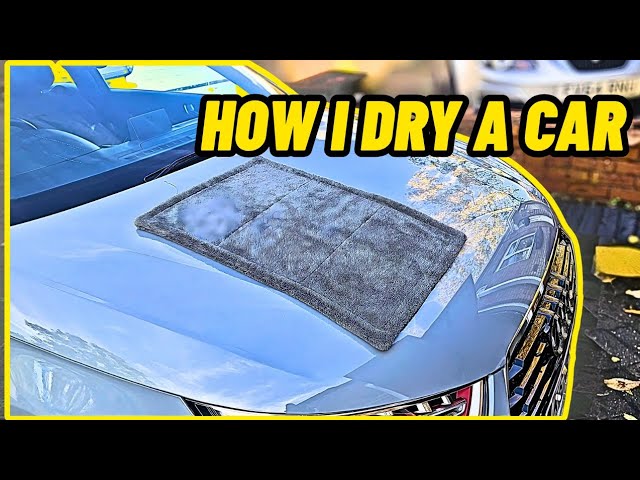
Drying is just as important as washing.
Instead of allowing the car to air dry, use a large microfiber drying towel.
Pat or gently glide the towel across the surface.
Proper drying helps prevent:
- Water spots
- Mineral deposits
- Streaks
Best Techniques for Cleaning Different Exterior Surfaces
Different parts of your vehicle require slightly different care.
How to Clean Car Windows Without Streaks
Use an automotive glass cleaner and a clean microfiber cloth.
For best results:
- Wipe vertically on one side.
- Wipe horizontally on the opposite side.
This makes streaks easier to identify.
How to Clean Plastic Trim and Exterior Moldings
Plastic trim fades over time.
After washing:
- Apply a trim restorer.
- Buff gently with a microfiber towel.
This restores a rich, dark finish.
How to Clean Chrome and Metal Parts
Chrome accents require gentle cleaning.
Use:
- Chrome polish
- Soft microfiber cloth
Avoid abrasive pads that can scratch the finish.
Common Mistakes When Cleaning a Car Exterior
Many car owners accidentally damage their paint during routine washing.
Avoid these common mistakes:
Using Dish Soap
Dishwashing liquid removes protective wax and dries out paint.
Always use a pH-balanced car shampoo.
Using Old Towels or Sponges
Regular towels trap dirt and create scratches.
Microfiber towels are much safer.
Washing in Direct Sunlight
Heat causes soap to dry too quickly, leaving stains.
Choose a shaded area whenever possible.
Skipping the Rinse Step
Dry dirt acts like sandpaper.
Always rinse before touching the paint.
How Often Should You Clean a Car Exterior?
The ideal schedule depends on your driving conditions.
General recommendations include:
- Every two weeks for normal driving
- Weekly if you drive on dusty roads
- Immediately after exposure to road salt
- After long road trips
- Whenever bird droppings or tree sap appear
Frequent cleaning prevents permanent paint damage.
Protect Your Car Exterior After Washing
Cleaning is only part of proper exterior care.
Protect the finish by applying:
Car Wax
Wax creates a protective barrier against:
- UV rays
- Dirt
- Water
- Road contaminants
Most waxes last between one and three months.
Ceramic Spray Coating
Ceramic sprays offer longer-lasting protection and improve water beading.
They’re easy to apply after washing.
Extra Tips to Keep Your Car Exterior Clean and Protected
To keep your vehicle looking its best:
- Wash regularly using quality products.
- Remove bird droppings quickly.
- Avoid automatic brushes that may scratch paint.
- Use microfiber towels for every step.
- Store your vehicle in a garage when possible.
- Apply wax every few months.
- Clean your wheels during every wash.
Small habits can significantly extend your vehicle’s finish.
Frequently Asked Questions
Can I use household soap to wash my car?
No. Household soaps can strip away protective wax and may damage your vehicle’s paint over time. Always use a shampoo specifically designed for cars.
Should I wash my car before waxing it?
Yes. A clean surface allows wax to bond properly and provides better protection and shine.
What’s the safest towel for drying a car?
A large microfiber drying towel is the safest choice because it absorbs water efficiently and reduces the risk of scratches.
Can I wash my car with a pressure washer?
Yes, provided you use an appropriate pressure setting and keep the nozzle at a safe distance from the paint and trim.
Conclusion
Learning how to clean a car exterior properly is one of the best ways to protect your investment and keep your vehicle looking like new. By following the best way to wash a car, using the Two Bucket Car Wash Method, and applying these practical car washing tips and tricks, you can safely remove dirt while preserving your vehicle’s paint and shine.
With the right tools, proper washing techniques, and regular maintenance, your car will stay cleaner, brighter, and better protected throughout the year.