
Car seats are one of the most frequently used parts of any vehicle, and knowing how to clean car seats properly is essential for maintaining a fresh and comfortable driving experience. Over time, they collect dirt, dust, food crumbs, spills, stains, pet hair, and unpleasant odors. Whether your vehicle has cloth, fabric, or leather seats, regular cleaning helps you clean car seats effectively and keep the interior looking new.
In this comprehensive guide, you’ll learn how to clean car seats the right way, remove common stains, eliminate bad odors, and maintain a spotless car interior. This article serves as a complete resource for car seat care and helps you choose the best cleaning methods for different seat materials.
Why You Should Clean Car Seats Regularly
Many car owners focus on washing the exterior of their vehicle while neglecting the interior. However, dirty seats can negatively affect both the appearance and value of your car.
Regular seat cleaning helps:
- Remove dirt and dust buildup
- Prevent permanent stains
- Eliminate unpleasant odors
- Improve air quality inside the vehicle
- Extend the lifespan of seat materials
- Maintain resale value
A clean interior also creates a more enjoyable driving experience for you and your passengers.
Identify Your clean Car Seat Material First
Before beginning the cleaning process, it’s important to identify the type of seats in your vehicle. Different materials require different cleaning methods.
The most common types include:
- Cloth seats
- Fabric seats
- Leather seats
- Synthetic leather seats
- Vinyl seats
Using the wrong cleaning product can damage certain materials, especially leather. Always check your vehicle owner’s manual for specific recommendations.
Essential Supplies You Need to Clean Car Seats
Having the right tools makes the job much easier. Depending on the type of cleaning required, you may need:
- Vacuum cleaner with upholstery attachment
- Microfiber cloths
- Soft-bristle brush
- Upholstery cleaner
- Leather cleaner
- Warm water
- Spray bottle
- Mild dish soap
- Baking soda
- White vinegar
- Interior detailing brush
Choosing appropriate cleaning products is essential for achieving professional-quality results while protecting seat materials.
Step 1: Vacuum the Seats Thoroughly
The first step in cleaning any car seat is vacuuming.
Use a vacuum cleaner with an upholstery attachment to remove:
- Dust
- Dirt
- Crumbs
- Pet hair
- Debris trapped in seams
Pay close attention to creases, stitching, and areas between the seat and center console.
Removing loose debris before applying cleaners prevents dirt from spreading and turning into mud during the cleaning process.
Step 2: Treat Visible Stains
After vacuuming, inspect the seats for stains.
Common car seat stains include:
- Coffee spills
- Soft drinks
- Food stains
- Mud
- Grease
- Oil
- Ink marks
Different stains require different treatment methods. Addressing stains as soon as possible increases the chances of complete removal.
For more detailed stain-specific methods, you can refer to your dedicated stain-removal articles and link them internally from this section.
How to Clean Cloth and Fabric Car Seats Properly
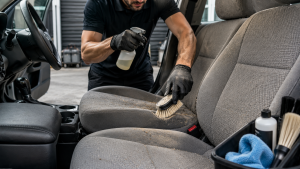
Cloth and fabric seats are popular because they are comfortable and affordable. However, they tend to absorb dirt, moisture, and odors more easily than leather.
To clean cloth or fabric seats:
- Vacuum thoroughly.
- Apply an upholstery cleaner.
- Use a soft brush to gently scrub the surface.
- Allow the cleaner to penetrate the fabric.
- Wipe away residue using a microfiber cloth.
- Let the seats air dry completely.
Avoid oversaturating fabric seats, as excessive moisture can lead to mold and mildew growth.
For a complete step-by-step process, readers can explore your detailed guides on cleaning cloth seats and fabric seats.
How to Clean Leather Car Seats Safely
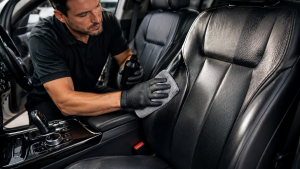
Leather seats add luxury and sophistication to a vehicle, but they require special care.
Improper cleaning can lead to:
- Cracking
- Fading
- Drying
- Discoloration
To clean leather seats:
- Vacuum carefully using a soft attachment.
- Apply a leather-safe cleaner.
- Wipe with a microfiber cloth.
- Gently scrub textured areas with a soft brush.
- Remove excess cleaner.
- Apply a leather conditioner.
Conditioning helps restore moisture and protects leather from premature wear.
How Often Should You Clean Car Seats?
Cleaning frequency depends on how often the vehicle is used.
General recommendations:
- Vacuum weekly
- Spot-clean stains immediately
- Deep-clean seats every 2–3 months
- Condition leather every 3–6 months
Families with children, pet owners, and rideshare drivers may need to clean their seats more frequently.
Removing Common Stains When You Clean Car Seats
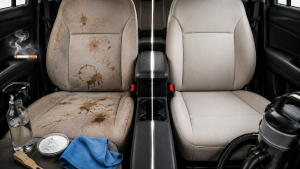
Certain stains can be stubborn if left untreated.
Food and Beverage Stains
Blot spills immediately using a clean cloth. Avoid rubbing, which can push the stain deeper into the material.
Grease and Oil Stains
Oil-based stains often require specialized cleaners or degreasers designed for automotive upholstery.
Mud and Dirt Stains
Allow mud to dry completely before vacuuming. Cleaning wet mud can spread the stain further.
Ink Stains
Use caution when treating ink. Test any cleaning solution on a hidden area before applying it to the visible surface.
Creating individual articles for these stain-removal methods provides excellent opportunities for internal linking from this pillar page.
How to Remove Cigarette Smell from Car Interior
Even clean-looking seats can trap unpleasant smells.
Common causes include:
- Cigarette smoke
- Food spills
- Pet odors
- Mold
- Moisture
To reduce odors:
Vacuum Thoroughly
Removing trapped debris is the first step toward eliminating smells.
Use Baking Soda
Sprinkle baking soda across the seats and leave it for several hours before vacuuming.
Improve Ventilation
Open windows and allow fresh air to circulate through the vehicle.
Deep Clean Upholstery
Persistent odors often originate deep within the seat material and require thorough cleaning.
Odor-related topics can also be covered in separate supporting articles that link back to this main guide.
Cleaning the Entire Car Interior for a Fresh Look
While seat cleaning is important, maintaining the rest of the vehicle interior is equally essential.
Areas to clean include:
- Dashboard
- Steering wheel
- Door panels
- Center console
- Cup holders
- Floor mats
- Carpets
Using interior-safe cleaning products helps prevent damage to plastic, vinyl, and electronic components.
A clean interior creates a healthier and more pleasant driving environment.
Mistakes to Avoid When You Clean Car Seats
Many people accidentally damage their seats by using improper techniques.
Avoid these common mistakes:
Using Harsh Chemicals
Strong household cleaners can damage upholstery and leather.
Oversaturating Seats
Too much water can cause mold, mildew, and unpleasant odors.
Scrubbing Too Aggressively
Excessive scrubbing can wear down fabric fibers and leather coatings.
Skipping a Spot Test
Always test new cleaning products on an inconspicuous area first.
Ignoring Manufacturer Recommendations
Follow your vehicle manufacturer’s cleaning guidelines whenever possible.
Tips to Keep Car Seats Clean for Longer After Cleaning
Keeping clean car seats is easier than removing stubborn stains later.
Consider these preventive measures:
- Use seat covers
- Avoid eating in the vehicle
- Clean spills immediately
- Vacuum regularly
- Keep cleaning wipes in the car
- Apply leather conditioner periodically
Preventive maintenance saves time and reduces the need for intensive cleaning.
Professional vs. DIY Car Seat Cleaning
Many vehicle owners wonder whether they should clean seats themselves or hire professionals.
DIY Cleaning Benefits
- Cost-effective
- Convenient
- Easy maintenance between deep cleans
Professional Detailing Benefits
- Specialized equipment
- Deep stain removal
- Odor elimination
- Time savings
For routine maintenance, DIY cleaning is often sufficient. Professional detailing may be beneficial for severe stains, smoke damage, or neglected interiors.
Final Thoughts
Learning how to clean car seats properly can significantly improve your vehicle’s appearance, comfort, and value. Whether you have cloth, fabric, or leather seats, regular maintenance helps prevent stains, remove odors, and extend the life of your upholstery.
By vacuuming regularly, treating spills quickly, using appropriate cleaning products, and following proper cleaning techniques, you can keep your car interior looking fresh year-round.