
A clean car interior does more than improve appearance—it creates a comfortable driving experience, helps maintain your vehicle’s value, and makes every trip more enjoyable. If you’re wondering how to clean fabric seats in a car, you’re not alone. Fabric seats are among the most used surfaces inside a vehicle and often collect dirt, dust, stains, and odors over time. From spilled coffee during a morning commute to muddy footprints after a rainy day, fabric upholstery faces constant wear and tear.
Fortunately, learning how to clean fabric seats in a car is easier than most people think. You don’t need expensive detailing equipment or professional experience to achieve impressive results. With the right cleaning methods and a little patience, you can restore your car seats and keep them looking fresh for years.
This guide covers everything you need to know about cleaning fabric car seats, removing tough stains, eliminating odors, and preventing future damage.
Why You Need to Know How to Clean Fabric Seats in a Car
Fabric upholstery is made from woven fibers that naturally trap dirt and moisture. Unlike leather, which has a smooth surface, fabric absorbs particles deep into its fibers. Every time someone enters the vehicle, dust, oils, sweat, and debris are transferred onto the seats.
Common causes of dirty fabric seats include:
- Food crumbs and snack residue
- Coffee and soft drink spills
- Pet hair and pet odors
- Dust and pollen
- Mud and dirt from shoes
- Sweat and body oils
- Smoke odors
Over time, these contaminants build up and can make even a relatively new vehicle look neglected.
Benefits of Learning How to Clean Fabric Seats in a Car
Many car owners only clean their seats when stains become visible. However, regular maintenance provides several important advantages.
Improves Interior Appearance
Clean seats instantly make a vehicle look newer and more attractive.
Eliminates Unpleasant Odors
Fabric fibers absorb smells from food, pets, and moisture. Proper cleaning helps remove these odors rather than covering them up.
Increases Vehicle Value
If you plan to sell your car in the future, a clean interior can positively influence buyers and improve resale value.
Creates a Healthier Environment
Dust, allergens, and bacteria can accumulate inside upholstery. Cleaning helps maintain a healthier cabin for drivers and passengers.
Essential Supplies for Cleaning Fabric Car Seats
Before beginning, gather all necessary materials.
Basic Cleaning Tools
- Vacuum cleaner
- Soft-bristle brush
- Microfiber towels
- Spray bottle
- Bucket of warm water
Cleaning Products
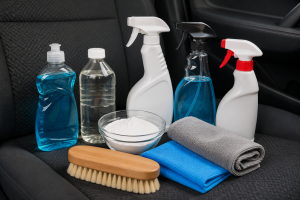
- Mild dish soap
- White vinegar
- Baking soda
- Fabric upholstery cleaner
- Stain remover (optional)
Having everything ready before you start will make the process smoother and more efficient.
Step 1: Vacuum the Seats Thoroughly
The first step is often the most overlooked.
Before introducing any moisture, remove loose dirt and debris using a vacuum cleaner.
Focus on:
- Seat cushions
- Seat backs
- Creases and seams
- Under-seat areas
- Side edges
Vacuuming prevents dirt from turning into muddy residue when cleaning solutions are applied.
For best results, use a narrow attachment to reach difficult areas where crumbs and dust often accumulate.
Step 2: Inspect Fabric Seats Before Cleaning
Once the seats are free from loose debris, inspect them closely.
Look for:
- Dark stains
- Water spots
- Food residue
- Grease marks
- Ink stains
- Areas with strong odors
Identifying problem spots helps you determine which areas require extra attention.
It also allows you to choose the most effective cleaning method for each stain type.
Step 3: Prepare a DIY Solution to Clean Fabric Seats in a Car
You can purchase a commercial upholstery cleaner or make your own solution at home.
A simple homemade cleaner consists of:
- 2 cups warm water
- 1 teaspoon dish soap
- 1 tablespoon white vinegar
Mix the ingredients inside a spray bottle.
This solution is effective for routine cleaning and safe for most fabric upholstery materials.
Always test the solution on a hidden section of fabric before applying it to visible areas.
Step 4: Apply Cleaner to Fabric Car Seats
Spray the cleaner lightly onto the fabric.
One of the biggest mistakes people make is using excessive water.
Over-wetting the seats can lead to:
- Mold growth
- Mildew odors
- Water stains
- Longer drying times
A light mist is usually sufficient.
Work in small sections rather than spraying the entire seat at once.
This approach ensures better cleaning control and more consistent results.
Step 5: Scrub Fabric Seats Gently for Better Results
After applying the cleaner, use a soft-bristle brush to loosen dirt trapped within the fibers.
Move the brush in gentle circular motions.
Pay special attention to high-contact areas such as:
- Driver’s seat cushion
- Seat edges
- Armrests
- Headrests
Avoid aggressive scrubbing because it can damage upholstery fibers and create a worn appearance.
The goal is to lift dirt without harming the fabric.
Step 6: Wipe Away Dirt and Residue
Use a clean microfiber cloth to wipe the surface after scrubbing.
Microfiber towels are highly effective because they:
- Absorb moisture quickly
- Capture dirt particles
- Leave minimal lint behind
As dirt transfers onto the cloth, switch to a clean section of the towel to prevent reapplying grime to the seat.
Repeat the cleaning process if necessary for heavily soiled areas.
How to Remove Tough Stains from Fabric Car Seats
Some stains require specialized treatment.
How to Remove Coffee Stains from Fabric Car Seats
Coffee contains pigments that can leave noticeable marks.
To remove coffee stains:
- Blot excess liquid immediately.
- Apply a vinegar-water mixture.
- Let it sit for several minutes.
- Wipe clean using a microfiber cloth.
The sooner you treat the stain, the easier it will be to remove.
How to Remove Food Stains While Cleaning Fabric Seats
Food spills can contain oils, sugars, and artificial coloring.
Apply upholstery cleaner directly to the affected area and gently brush the stain before wiping clean.
How to Remove Grease Stains from Fabric Seats in a Car
Grease can be challenging because it penetrates fabric fibers.
Sprinkle baking soda over the stain and leave it for at least 20 minutes.
Baking soda absorbs oil naturally.
Vacuum thoroughly afterward and repeat if necessary.
How to Remove Ink Stains from Fabric Car Seats
Ink should be treated carefully.
Apply a small amount of rubbing alcohol to a cloth and gently dab the stain.
Avoid rubbing because it can spread the ink further into the fabric.
Removing Odors from Fabric Seats
Even after stains disappear, odors may remain trapped within the upholstery.
Common Interior Odors
- Cigarette smoke
- Pet smells
- Food odors
- Moisture-related mildew
Using Baking Soda to Clean Fabric Seats in a Car and Remove Odors
Baking soda is one of the most effective natural deodorizing agents.
Follow these steps:
- Sprinkle baking soda across the seats.
- Leave it overnight.
- Vacuum thoroughly the next day.
This process helps neutralize unpleasant smells rather than simply masking them.
How to Deep Clean Fabric Seats in a Car
If routine cleaning does not deliver the desired results, deep cleaning may be necessary.
Steam Cleaning
Steam cleaning penetrates deep into fabric fibers and loosens embedded dirt.
Benefits include:
- Effective stain removal
- Odor elimination
- Reduced chemical usage
- Sanitization of upholstery
Many professional detailers rely on steam cleaners because they provide excellent results without excessive moisture.
Upholstery Extraction
An extractor sprays cleaning solution into the fabric and immediately removes it along with dirt.
This method is particularly effective for:
- Older stains
- Heavy dirt buildup
- Persistent odors
How to Dry Fabric Seats After Cleaning
Proper drying is essential after cleaning.
Never leave fabric seats damp for extended periods.
To accelerate drying:
- Open all doors
- Lower windows
- Use fans
- Park in a ventilated area
Good airflow helps prevent mold and mildew from developing inside the upholstery.
Most seats dry completely within a few hours depending on humidity and temperature.
How to Keep Fabric Seats in a Car Clean for Longer
Once your seats are clean, maintaining them becomes much easier.
Vacuum Frequently
A quick vacuum every two weeks helps prevent dirt accumulation.
Address Spills Immediately
Fresh stains are far easier to remove than old stains.
Use Protective Seat Covers
Seat covers shield upholstery from daily wear and tear.
Avoid Eating in the Vehicle
Reducing food consumption inside the car significantly lowers the risk of stains.
Apply Fabric Protection Products
Many fabric protectants create a barrier that repels liquids and dirt.
Final Thoughts
Knowing how to clean fabric seats in a car is an essential skill for any vehicle owner. Fabric upholstery naturally attracts dirt, absorbs spills, and traps odors, but regular cleaning can keep your interior looking fresh and inviting throughout the year.
The key is consistency. Vacuum regularly, treat stains quickly, use gentle cleaning solutions, and allow seats to dry properly after cleaning. These simple habits can dramatically extend the life of your upholstery and improve your overall driving experience.
Whether you’re preparing your vehicle for sale, restoring an older interior, or simply maintaining a clean and comfortable cabin, following these professional cleaning techniques will help your fabric car seats stay in excellent condition for years to come.