
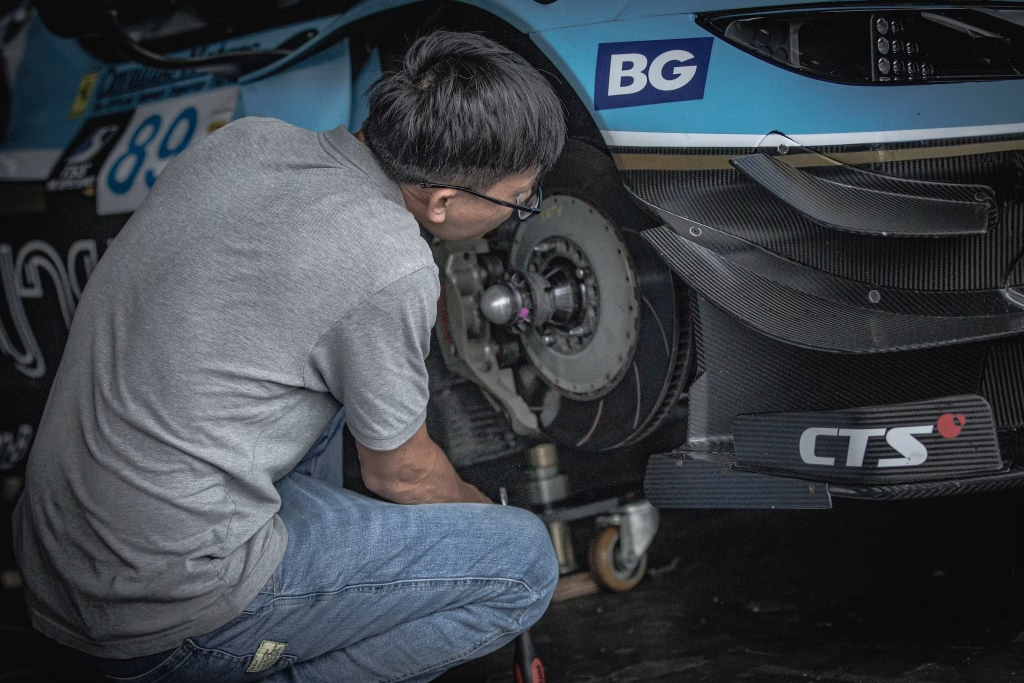

Knowing how often should you change car brakes is one of the most critical safety aspects of vehicle ownership. Your braking system is your car’s primary line of defense against accidents, and driving on worn-out brake components endangers everyone on the road. While there is no single fixed expiration date for brake components, understanding replacement schedules and early warning signs helps you stay safe and avoid costly repairs.
Maintaining your braking system works hand in hand with overall routine upkeep. Keeping track of all critical systems through a scheduled Car Maintenance Tips routine will ensure your vehicle remains reliable, efficient, and roadworthy for years to come.
Standard Mileage Guidelines for Replacing Car Brakes
For most standard passenger vehicles, brake pads typically need to be replaced every 25,000 to 70,000 miles. However, the exact distance varies greatly depending on your driving habits, the quality of parts used, and environmental conditions.
Here is a general lifespan breakdown for braking system components:
-
Brake Pads: 25,000 – 70,000 miles (Needs regular inspection during tire rotations)
-
Brake Rotors (Discs): 50,000 – 70,000 miles (Often replaced every second brake pad change)
-
Brake Fluid Flush: Every 2 to 3 years (To remove absorbed moisture and prevent corrosion)
Key Factors Determining How Often Should You Change Car Brakes

No two drivers experience the exact same rate of brake wear. Several primary factors influence how often should you change car brakes in real-world driving conditions:
1. Driving Environment and Traffic Conditions
If your daily commute consists mostly of stop-and-go city traffic, your brakes will wear out much faster than someone who drives predominantly on open highways. Constant stopping at traffic lights and riding the brake pedal in congestion creates severe heat buildup and accelerates pad degradation.
2. Driving Style and Aggressive Habits
Hard braking at high speeds generates intense friction and extreme heat, wearing down friction lining quickly. Smooth, anticipatory driving—coasting to a stop and applying gradual pedal pressure—dramatically extends the service life of your pads and rotors.
3. Material Quality of Brake Components
-
Organic Brake Pads: Cheap and quiet, but wear out rapidly (20,000 – 30,000 miles).
-
Semi-Metallic Pads: Durable with great stopping power, but cause slightly more rotor wear.
-
Ceramic Brake Pads: Long-lasting (up to 70,000 miles), produce minimal dust, and offer smooth performance.
Clear Signs You Need to Replace Your Brakes Immediately
Instead of relying solely on mileage counts, pay attention to physical warning signs that indicate your braking system needs urgent professional attention.

-
High-Pitched Squealing: Most modern brake pads come built with small metallic wear indicators. When the pad thins down to a critical level, this metal tab rubs against the rotor, producing a distinct squeaking sound.
-
Harsh Metallic Grinding: Hearing a harsh grinding noise means your friction lining is completely gone. The metal backing plate is now scoring directly into the iron rotor, drastically reducing stopping power and causing expensive damage.
-
Vehicle Pulling to One Side: If your car pulls toward the left or right when braking, you may have a stuck caliper or unevenly worn brake pads.
-
Spongy or Soft Brake Pedal: A pedal that feels soft or sinks all the way to the floor indicates air in the hydraulic lines or a brake fluid leak.
-
Steering Wheel Vibration: A pulsating feeling through the pedal or steering wheel while braking usually signals warped brake rotors caused by severe overheating.
Simple DIY Inspection Routine
You do not need to disassemble your wheel assembly to perform a preliminary check on your brakes.
Look through the spokes of your alloy wheels to view the brake pad sitting against the rotor. You should see at least 1/4 inch (about 6 to 7 mm) of friction material remaining on the pad. If the padding appears thinner than 1/8 inch (3 mm), schedule a replacement immediately.
Summary
In short, determining how often should you change car brakes comes down to balancing mileage milestones with continuous awareness of warning signs. By conducting visual inspections every few months and addressing squeal sounds promptly, you ensure maximum safety on every trip.
Next Steps :
Suggested Follow-up Topic: Maintaining correct tire pressure helps distribute braking force evenly; check out our complete Car tire pressure maintenance guide to optimize your vehicle’s overall stopping power and traction.