
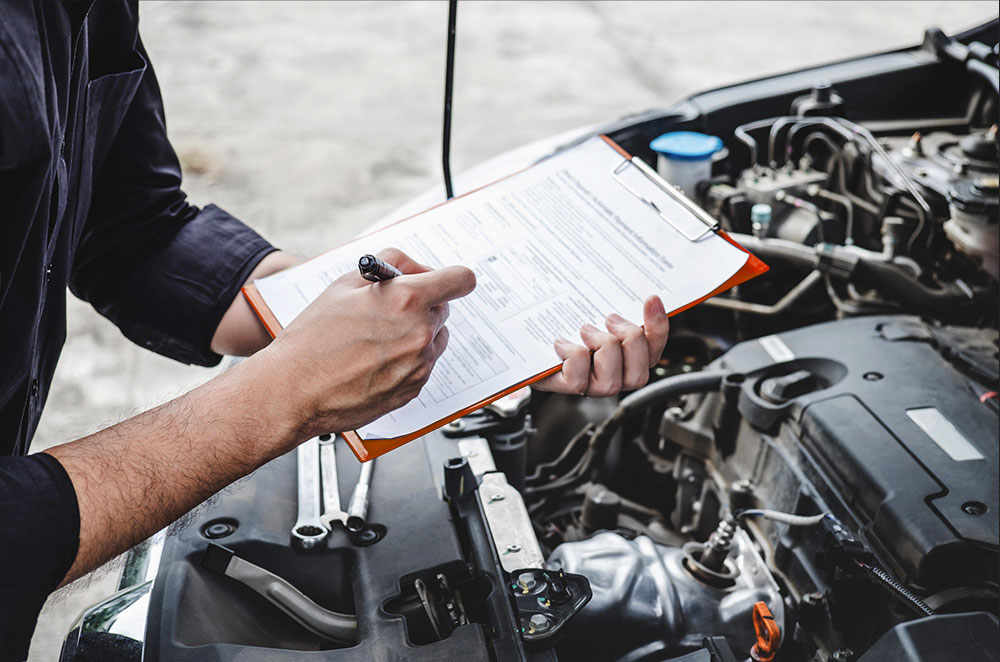

Owning a vehicle provides incredible freedom and convenience, but it also comes with the continuous responsibility of proper upkeep. Many drivers treat their vehicles like simple appliances, turning the key every morning and driving until a dashboard warning light flashes red. Unfortunately, ignoring minor mechanical signs almost always leads to massive repair bills and sudden breakdowns. Following a consistent set of car maintenance tips is the single best investment you can make to protect your vehicle resale value and keep your daily drives safe.
Routine vehicle care does not require you to be a professional mechanic equipped with thousands of dollars in commercial tools. By understanding how your vehicle basic systems function and sticking to a disciplined inspection schedule, you can catch minor fluid leaks, rubber degradation, and component wear long before they turn into major engine failures.
Why Preventive Maintenance Saves You Thousands
Vehicles are complex machines composed of thousands of moving parts working under intense heat, vibration, and friction. Over time, fluids break down, rubber hoses lose elasticity, and friction linings wear down to bare metal. Preventive maintenance is about replacing inexpensive wearable items before they cause structural damage to surrounding components.
Consider the simple engine oil change. Spending fifty dollars on fresh motor oil and a high-efficiency filter every few thousand miles prevents internal carbon sludge buildup. Skipping oil changes causes extreme friction, eventually requiring a complete engine replacement that can cost thousands. The same principle applies to your cooling system, transmission, and brakes. Taking a proactive approach ensures your car remains dependable through every season.
Core Engine and Fluid Care Essentials
Your engine relies on various vital fluids to cool internal components, lubricate metal surfaces, and transmit hydraulic power. Checking these fluids regularly is the cornerstone of effective vehicle ownership.

Engine Oil Inspection and High Mileage Protection
Engine oil is the lifeblood of your internal combustion engine. It creates a microscopic protective film between rapidly moving pistons, bearings, and camshafts. Pull your dipstick once a month when the car is parked on level ground to verify the oil level and inspect its color. Fresh oil has a translucent golden shade, while old oil appears dark brown or jet black and feels gritty between your fingers.
As your vehicle accumulates mileage past seventy-five thousand miles, engine tolerances widen and internal seals begin to harden. To prevent oil leaks, minimize internal friction, and protect aging engine components, choosing the Best engine oil for high mileage cars becomes crucial for keeping older engines running smoothly for years to come.
Cooling System Flush and Radiator Maintenance
Engine heat is a constant enemy of internal mechanical components. Your cooling system circulates a mixture of antifreeze and distilled water to keep engine temperatures within a tight operational window. Check your coolant expansion tank monthly to ensure the fluid sits between the minimum and maximum indicator lines. Inspect upper and lower radiator hoses for soft spots, cracks, or swollen ends near hose clamps. Flushing your coolant every two to three years prevents internal rust accumulation inside the radiator core.
Transmission Care and Drivetrain Fluid
Your transmission transfers power from the flywheel to the drive wheels through an intricate network of gears, clutches, and hydraulic valves. Driving with burnt or low transmission fluid leads to slipping gears, harsh shifting, and overheating. Check your transmission fluid according to manufacturer specifications, making sure the fluid retains a healthy pinkish-red color without any burnt odor.
Tire Maintenance and Wheel Alignment Basics
Tires represent the only physical point of contact between your vehicle and the road surface. Proper tire upkeep ensures responsive braking, maximum cornering traction, and optimal fuel economy.
Maintaining Correct Inflation Pressure
Air pressure inside pneumatic tires bleeds off naturally over time due to temperature changes and rubber permeability. Driving on underinflated tires increases rolling resistance, wears down tread edges prematurely, and wastes fuel. Conversely, overinflated tires wear in the center and create a harsh, uncomfortable ride. Following a complete Car tire pressure maintenance guide ensures you test your tire PSI when cold and maintain ideal air levels for optimal fuel efficiency and tread wear.
Routine Tire Rotation and Tread Depth Checks
Front tires wear out much faster than rear tires because they handle steering forces, weight transfer during braking, and engine torque. Rotating your tires every five thousand to seven thousand miles ensures even tread wear across all four wheels. Monitor tread depth using the penny test or tread depth gauge. If tread thins down to two-thirty-seconds of an inch, your ability to channel water away on wet roads drops drastically, increasing the risk of dangerous hydroplaning.
Electrical System and Battery Maintenance
Modern automobiles rely heavily on complex electronic modules, electric power steering motors, and computerized fuel injection systems. Keeping your electrical architecture stable prevents unexpected ignition failures.

Battery Care and Terminal Cleaning
Car batteries operate in harsh thermal environments that accelerate chemical degradation and lead corrosion. Inspect your battery terminals quarterly for white, green, or powdery buildup. Clean terminal posts using a wire brush and a mixture of baking soda and water to maintain solid electrical conductivity. To prevent getting stranded, you should learn [Internal Link to Cluster 1: How to extend car battery life] through simple steps like minimizing short drives, turning off headlights before ignition, and keeping terminals clean.
Alternator Diagnostics and Power Supply
Your alternator produces electrical power to run onboard computer modules while recharging the battery. Avoid overloading the electrical system with aftermarket accessories that exceed factory wiring ratings. If you notice flickering headlights, growling noises under the hood, or slow power windows, identifying the early [Internal Link to Cluster 5: Signs of a failing car alternator] lets you replace the charging unit before your battery drains completely and leaves you stranded.
Braking System Safety and Engine Bay Care
Stopping power is infinitely more important than engine horsepower. Maintaining your braking system guarantees you can bring your vehicle to a complete stop safely during sudden highway emergencies.
Identifying Brake Wear and Replacement Lifespan
Brake pads use sacrificial friction material to slow down heavy steel rotors. As pads wear thin, small built-in metal tabs produce a distinct high-pitched squealing sound to signal that replacement is needed. Knowing [Internal Link to Cluster 3: How often should you change car brakes] helps you plan routine service intervals based on your driving environment, pad material quality, and obvious physical signs like grinding noises or spongy pedal feel.
Keeping the Engine Compartment Clean
While many car owners wash their vehicle exterior regularly, the engine compartment is often ignored. Accumulated dirt, salt, and oil sludge trap heat around critical sensors and accelerate hose degradation. Learning How to clean car engine bay safely allows you to remove tough grease without damaging delicate wiring harnesses, sensors, or alternator electronics.
Essential Seasonal Checklist and Environmental Rules
Adapting your care routine to extreme seasonal shifts protects delicate body paint, rubber seals, and interior plastics from harsh weather elements.
- Wash your vehicle undercarriage regularly during winter months to wash away corrosive road salt that accelerates frame rust.
- Preparing your vehicle with a structured Summer car care checklist helps safeguard your cooling system, air conditioning performance, and tire pressure against extreme heat waves.
- Replace worn windshield wiper blades every six months to maintain clear visibility during sudden heavy rainstorms.
- Keep an emergency safety kit in your trunk containing jumper cables, a flash light, portable air compressor, basic hand tools, and extra engine fluids.
To review official vehicle safety regulations and manufacturer recall updates, you can consult the official documentation provided on [Outbound Link: National Highway Traffic Safety Administration Vehicle Care Guidelines] to keep your car fully compliant with safety standards.
Building a Consistent Service Routine for the Future
Mastering these core car maintenance tips does not require lifestyle changes or mechanical expertise. It simply comes down to building a structured routine where you inspect key fluid levels monthly, monitor tire wear, and listen for unusual mechanical sounds while driving.
When you address minor mechanical issues promptly, you preserve your engine health, maximize fuel efficiency, and ensure your vehicle remains safe and dependable for hundreds of thousands of miles down the road.