
Table of Contents
ToggleIntroduction
Spark plugs are small components with a huge responsibility. They create the electrical spark that ignites the air-fuel mixture inside your engine’s cylinders, allowing your vehicle to start and run efficiently. When spark plugs become worn, dirty, or damaged, engine performance can suffer dramatically.
Many drivers ignore the early symptoms of bad spark plugs, assuming the problem is minor. However, faulty spark plugs can reduce fuel economy, cause engine misfires, increase emissions, and even damage other engine components if left unresolved.
The good news is that spark plug issues usually develop gradually and provide several warning signs before they become serious. Learning to recognize these symptoms can help you address the problem early and avoid costly repairs.
This comprehensive guide explains the common signs of bad spark plugs, their causes, diagnosis, replacement intervals, and maintenance tips to keep your engine running smoothly.

What Are Spark Plugs?
A spark plug is an ignition device installed in each engine cylinder. It receives high voltage from the ignition system and generates a spark that ignites the compressed air-fuel mixture.
Every combustion cycle depends on this spark occurring at precisely the right moment. If the spark is weak or inconsistent, engine performance declines.
Modern vehicles commonly use:
- Copper spark plugs
- Platinum spark plugs
- Double platinum spark plugs
- Iridium spark plugs
Each type differs in durability, performance, and replacement interval.
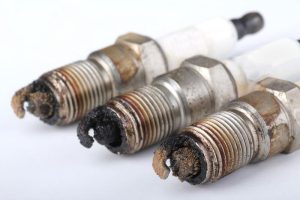
Why Spark Plugs Wear Out
Spark plugs operate under extremely high temperatures and electrical loads. Over thousands of miles, the electrodes gradually wear, deposits accumulate, and performance declines.
Factors that accelerate wear include:
- High mileage
- Poor fuel quality
- Oil leaks
- Carbon buildup
- Incorrect air-fuel mixture
- Engine overheating
- Lack of maintenance
Even high-quality spark plugs eventually require replacement.
Top Symptoms of Bad Spark Plugs
1. Difficulty Starting the Engine
One of the earliest symptoms is trouble starting the vehicle.
You may notice:
- Longer cranking time
- Multiple attempts before starting
- Engine struggling during cold starts
Since spark plugs initiate combustion, weak plugs can make ignition difficult.
2. Engine Misfires
An engine misfire occurs when one or more cylinders fail to ignite properly.
Symptoms include:
- Jerking while driving
- Rough acceleration
- Sudden power loss
- Shaking engine
Persistent misfires should be diagnosed promptly because they can affect other engine components.
3. Rough Idling
A healthy engine should idle smoothly.
Bad spark plugs may cause:
- Vibrations while stopped
- Uneven engine speed
- Shaking felt through the steering wheel
- Intermittent stumbling
If the vehicle feels rough while idling, the ignition system deserves attention.
4. Poor Fuel Economy
Worn spark plugs reduce combustion efficiency.
As a result:
- The engine may burn more fuel.
- Fuel economy decreases.
- You may find yourself filling the tank more often.
Replacing worn spark plugs can often help restore normal efficiency when they are the underlying cause.
5. Reduced Engine Power
You may notice:
- Sluggish acceleration
- Delayed throttle response
- Reduced highway performance
- Difficulty climbing hills
Weak ignition prevents the engine from producing its intended power.
6. Engine Hesitation During Acceleration
Pressing the accelerator should produce smooth, immediate response.
Bad spark plugs can cause:
- Hesitation
- Stumbling
- Temporary loss of power
- Uneven acceleration
These symptoms are especially noticeable during overtaking or merging.
7. Check Engine Light
Modern vehicles monitor engine performance through onboard diagnostics.
A failing spark plug or repeated misfire may trigger the Check Engine light.
However, this warning can have many causes, so diagnostic testing is needed to determine the exact issue.
8. Increased Exhaust Emissions
Incomplete combustion caused by faulty spark plugs may increase emissions.
Potential signs include:
- Strong fuel smell
- Failed emissions testing
- Excessive hydrocarbons in exhaust
Proper combustion helps minimize unnecessary emissions.
9. Engine Knocking or Jerking
Improper combustion timing may contribute to:
- Jerking during acceleration
- Engine hesitation
- Occasional knocking sensations
Multiple engine conditions can produce these symptoms, making inspection important.
10. Visible Spark Plug Damage
When removed, worn spark plugs may show:
- Rounded electrodes
- Heavy carbon deposits
- Oil contamination
- Cracked ceramic insulator
- Burned electrodes
Visual inspection often provides valuable diagnostic information.
How to Inspect Spark Plugs
Step 1: Turn Off the Engine
Allow the engine to cool before inspection to reduce the risk of burns.
Step 2: Locate the Spark Plugs
Most engines position spark plugs on the cylinder head beneath ignition coils or spark plug wires.
Consult the owner’s manual if needed.
Step 3: Remove the Spark Plug
Using the proper spark plug socket:
- Remove the ignition coil or wire.
- Carefully unscrew the spark plug.
- Inspect it for damage or deposits.
Step 4: Examine the Condition
Healthy spark plugs typically have:
- Light tan or gray deposits
- Minimal electrode wear
Potential concerns include:
| Appearance | Possible Meaning |
|---|---|
| Black carbon | Rich fuel mixture or incomplete combustion |
| Oily deposits | Possible oil entering the combustion chamber |
| White deposits | Possible overheating |
| Cracked insulator | Physical damage requiring replacement |
| Worn electrode | Normal aging and wear |
Inspection alone cannot diagnose every issue but often provides useful clues.
Common Causes of Spark Plug Failure
Several factors shorten spark plug life:
High Mileage
Normal wear gradually enlarges the electrode gap.
Oil Contamination
Oil leaks into the combustion chamber can foul spark plugs.
Carbon Deposits
Incomplete combustion leaves deposits that weaken spark performance.
Engine Overheating
Excessive temperatures accelerate spark plug deterioration.
Incorrect Spark Plug Type
Using plugs that do not match manufacturer specifications may affect engine performance.
How Often Should Spark Plugs Be Replaced?
Replacement intervals vary by type:
| Spark Plug Type | Typical Service Life |
|---|---|
| Copper | 20,000–30,000 miles |
| Platinum | 60,000–100,000 miles |
| Iridium | Up to 100,000 miles or more |
Always follow the maintenance schedule recommended for your specific vehicle.
Can You Drive With Bad Spark Plugs?
A vehicle may still run with worn spark plugs, but continued driving can lead to:
- Poor fuel economy
- Reduced performance
- Increased emissions
- Engine misfires
- Potential catalytic converter damage if misfires become severe
Addressing spark plug problems early is generally less expensive than repairing secondary damage.
Tips to Extend Spark Plug Life
You can help maximize spark plug longevity by:
- Following recommended maintenance intervals
- Using quality fuel when appropriate
- Fixing oil leaks promptly
- Replacing air filters as scheduled
- Keeping the ignition system in good condition
- Installing the correct spark plug type specified by the manufacturer
Good overall engine maintenance supports spark plug performance.
Frequently Asked Questions
What is the first symptom of bad spark plugs?
Difficulty starting the engine, rough idling, or occasional misfires are among the earliest common symptoms.
Can bad spark plugs reduce fuel economy?
Yes. Worn spark plugs can reduce combustion efficiency, which may increase fuel consumption.
Will bad spark plugs trigger the Check Engine light?
They can, particularly if they cause engine misfires. However, many different problems can also illuminate the Check Engine light.
Can I replace spark plugs myself?
Many vehicles allow DIY replacement with the correct tools and procedures, while others have limited access that may require professional service.
How long does spark plug replacement take?
Depending on the engine design and accessibility, replacing spark plugs may take anywhere from about 30 minutes to a few hours.
Conclusion
Recognizing the symptoms of bad spark plugs can help you maintain engine performance, improve fuel efficiency, and prevent more expensive repairs. Common warning signs include hard starting, engine misfires, rough idling, poor acceleration, reduced fuel economy, and an illuminated Check Engine light.
Regular inspections, using the correct replacement parts, and following your vehicle manufacturer’s maintenance schedule will help keep your ignition system operating reliably and your engine running at its best.