
Table of Contents
ToggleIntroduction
Your vehicle’s braking system is one of its most critical safety features, and brake pads play a major role in ensuring you can stop safely. Every time you press the brake pedal, the brake pads create friction against the brake rotors to slow down or stop your car. Over time, this friction causes the brake pads to wear out.
Ignoring the signs of worn brake pads can lead to reduced braking performance, expensive repairs, and even dangerous accidents. Fortunately, brake pads usually provide several warning signs before they completely fail.
In this comprehensive guide, you’ll learn how brake pads work, the most common symptoms of worn brake pads, how to inspect them, what causes premature wear, and when they should be replaced.
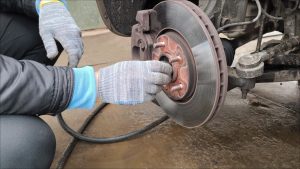
What Are Brake Pads?
Brake pads are friction materials mounted inside the brake caliper. When you press the brake pedal, hydraulic pressure forces the brake pads against the brake rotor, creating friction that slows the wheels.
Most modern vehicles use:
- Ceramic brake pads
- Semi-metallic brake pads
- Organic brake pads
Each type offers different levels of durability, noise, and braking performance.
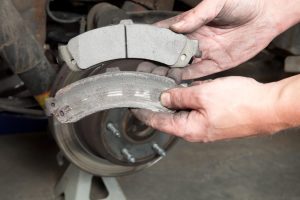
Why Brake Pads Wear Out
Brake pads are designed to wear gradually during normal use. Their lifespan depends on several factors:
- Driving habits
- Road conditions
- Vehicle weight
- Brake pad quality
- Traffic conditions
- Climate
On average, brake pads last between 30,000 and 70,000 miles (48,000–112,000 km), though actual life varies widely.
Top Signs of Worn Brake Pads
1. Squealing or Screeching Noise
One of the earliest warning signs is a high-pitched squealing sound when braking.
Many brake pads include a small metal wear indicator that intentionally makes noise once the friction material becomes thin.
If you hear this consistently, it’s time for an inspection.
2. Grinding Noise
Grinding is a much more serious warning.
This usually means:
- Brake pads are completely worn out.
- Metal backing plates are contacting the rotor.
Continuing to drive in this condition can severely damage the brake rotors and increase repair costs.
3. Longer Stopping Distance
If your vehicle takes longer to stop than normal, worn brake pads could be reducing braking efficiency.
This symptom should never be ignored because it directly affects driving safety.
4. Brake Warning Light
Some vehicles have electronic wear sensors that trigger a dashboard warning light when the brake pads reach their service limit.
However, not every brake warning light specifically indicates worn pads, so the braking system should be inspected.
5. Vibrations When Braking
If the steering wheel or brake pedal vibrates while braking, possible causes include:
- Unevenly worn brake pads
- Warped brake rotors
- Brake system issues
A professional inspection can determine the exact cause.
6. Thin Brake Pads
A visual inspection often reveals worn brake pads.
Most new brake pads have approximately 10–12 mm of friction material.
If the visible material is around 3 mm or less, replacement is generally recommended.
7. Pulling to One Side
If the vehicle pulls left or right while braking, possible causes include:
- Uneven brake pad wear
- Sticking brake caliper
- Brake fluid issues
This affects braking stability and should be addressed promptly.
8. Soft or Less Responsive Brake Pedal
A brake pedal that feels less responsive or requires extra pressure may indicate braking system problems, including worn components.
Because multiple issues can cause this symptom, a complete inspection is advisable.
9. Burning Smell After Braking
A strong burning odor after heavy braking may result from excessive heat.
Possible reasons include:
- Overheated brake pads
- Sticking brake caliper
- Excessive braking on steep hills
If accompanied by smoke, stop driving and allow the brakes to cool before seeking inspection.
10. Visible Rotor Damage
Severely worn brake pads may damage the brake rotors.
Look for:
- Deep grooves
- Scratches
- Blue discoloration from overheating
Damaged rotors may require resurfacing or replacement in addition to new brake pads.
How to Inspect Brake Pads
A basic inspection can often be done without removing the entire braking system.
Step 1: Park Safely
- Park on level ground.
- Turn off the engine.
- Engage the parking brake when appropriate.
Step 2: Look Through the Wheel
Many wheels allow you to see the brake caliper and pad.
Inspect the thickness of the friction material.
Step 3: Compare Both Sides
Check both left and right brakes.
Uneven wear may indicate additional mechanical problems.
Step 4: Listen During Driving
Pay attention to:
- Squealing
- Grinding
- Vibrations
- Reduced braking performance
These symptoms help identify developing issues.
What Causes Brake Pads to Wear Faster?
Several factors accelerate wear:
Aggressive Driving
Frequent hard braking generates excessive heat and friction.
Heavy Traffic
Stop-and-go driving requires constant braking, increasing pad wear.
Carrying Heavy Loads
Additional weight forces the braking system to work harder.
Mountain Driving
Long downhill sections create sustained braking demands.
Low-Quality Brake Pads
Inferior materials often wear faster than premium alternatives.
Different Types of Brake Pads
Ceramic Brake Pads
Advantages:
- Quiet operation
- Low dust production
- Long lifespan
Disadvantages:
- Higher cost
Semi-Metallic Brake Pads
Advantages:
- Strong braking performance
- Good heat resistance
Disadvantages:
- More noise
- Increased rotor wear
Organic Brake Pads
Advantages:
- Quiet operation
- Lower purchase price
Disadvantages:
- Faster wear
- Less suitable for heavy-duty use
How Often Should Brake Pads Be Checked?
A general recommendation is to inspect brake pads:
- During every tire rotation
- At routine maintenance visits
- Before long road trips
- Whenever unusual braking symptoms occur
Regular inspections help catch problems before they become expensive.
Can You Drive With Worn Brake Pads?
Driving with moderately worn brake pads may still allow braking, but delaying replacement increases risk.
Extremely worn pads can:
- Damage rotors
- Reduce stopping ability
- Increase repair costs
- Compromise vehicle safety
If grinding noises or severely reduced braking performance occur, the vehicle should be inspected before continued driving.
How Much Does Brake Pad Replacement Cost?
Costs vary depending on:
- Vehicle model
- Brake pad material
- Labor charges
- Whether rotors also need replacement
Replacing brake pads early is generally much less expensive than replacing both pads and damaged rotors.
Tips to Extend Brake Pad Life
You can increase brake pad lifespan by:
- Driving smoothly
- Maintaining safe following distances
- Avoiding unnecessary hard braking
- Reducing excess vehicle weight
- Keeping the braking system properly maintained
- Using quality replacement parts
Small improvements in driving habits can significantly reduce brake wear.
Frequently Asked Questions
How long do brake pads last?
Most brake pads last between 30,000 and 70,000 miles, depending on driving style, vehicle type, and operating conditions.
What is the first sign of worn brake pads?
A squealing or screeching noise during braking is often one of the earliest warning signs.
Is grinding always caused by worn brake pads?
Grinding commonly indicates severely worn pads, but other brake system issues can also produce grinding sounds. Inspection is important to identify the exact cause.
Can worn brake pads damage rotors?
Yes. If the friction material wears away completely, metal-to-metal contact can damage the brake rotors and increase repair costs.
Should brake pads be replaced in pairs?
Yes. Brake pads are generally replaced in axle pairs (both front or both rear) to maintain balanced braking performance.
Conclusion
Recognizing the signs of worn brake pads is essential for maintaining both vehicle performance and road safety. Symptoms such as squealing, grinding, longer stopping distances, vibrations, and visibly thin pads should never be ignored. Routine inspections and timely replacement help prevent more serious damage to the braking system and reduce overall repair costs.
By monitoring your brake pads and addressing issues early, you can enjoy safer driving, better braking performance, and greater peace of mind every time you get behind the wheel.