
Table of Contents
ToggleIntroduction
Your car battery is one of the most important components of your vehicle. Without a healthy battery, your engine may fail to start, electronic systems may malfunction, and you could find yourself stranded at the worst possible time. The good news is that you don’t have to wait until your battery dies to know something is wrong. By learning how to check car battery health, you can identify problems early and avoid expensive repairs or unexpected breakdowns.
A typical car battery lasts between 3 to 5 years, depending on climate, driving habits, and maintenance. Extreme temperatures, short trips, and leaving electrical accessories on can all reduce battery life.
This guide explains everything you need to know—from recognizing warning signs to testing your battery with a multimeter and maintaining it for longer life.
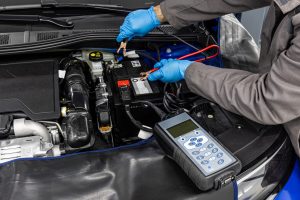
Why Checking Car Battery Health Matters
Many drivers only think about their battery when the car refuses to start. However, a weak battery affects much more than ignition.
Benefits of regular battery health checks include:
- Preventing unexpected breakdowns
- Improving engine starting performance
- Protecting the alternator from unnecessary strain
- Extending battery lifespan
- Saving money on emergency replacements
- Ensuring reliable performance during extreme weather
A quick inspection every few months can help detect problems before they become serious.
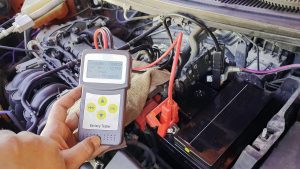
Signs Your Car Battery May Be Failing
Before testing the battery, look for these common warning signs:
1. Slow Engine Crank
If the engine turns over more slowly than usual, the battery may not be supplying enough power.
2. Dashboard Battery Warning Light
A battery-shaped warning light can indicate charging system problems, battery issues, or alternator faults.
3. Dim Headlights
Weak headlights while the engine is off may signal reduced battery voltage.
4. Clicking Sound When Starting
Repeated clicking noises often indicate insufficient battery power.
5. Electrical Problems
Power windows, infotainment systems, or dashboard electronics may operate inconsistently.
6. Swollen Battery Case
Heat exposure can cause the battery housing to expand, reducing performance and safety.
7. Corroded Battery Terminals
White or blue deposits around the terminals increase electrical resistance and affect charging.
Tools Needed to Check Car Battery Health
You don’t need professional equipment for a basic inspection.
Useful tools include:
- Digital multimeter
- Battery load tester (optional)
- Safety gloves
- Safety glasses
- Wire brush for cleaning terminals
- Baking soda and water for corrosion removal
For most drivers, a digital multimeter is sufficient.
Step 1: Perform a Visual Inspection
Before measuring voltage, inspect the battery carefully.
Check for:
- Cracks in the battery case
- Bulging sides
- Fluid leakage
- Loose terminals
- Corrosion buildup
- Damaged cables
If the battery casing is cracked or leaking, replace it immediately rather than attempting repairs.
Step 2: Check Battery Voltage Using a Multimeter
Testing voltage is one of the easiest ways to evaluate battery health.
Turn Off the Vehicle
Ensure:
- Engine is off
- Lights are off
- Accessories are disconnected
Wait around 30 minutes after driving for a more accurate reading.
Set the Multimeter
Select:
- DC Voltage
- 20V range (or automatic mode if available)
Connect the Leads
- Red probe → Positive (+) terminal
- Black probe → Negative (-) terminal
Read the display.
Voltage Interpretation
| Battery Voltage | Condition |
|---|---|
| 12.6V–12.8V | Excellent |
| 12.4V–12.5V | Good |
| 12.2V–12.3V | Fair |
| 12.0V–12.1V | Weak |
| Below 12.0V | Needs charging or replacement |
A healthy fully charged battery generally measures around 12.6 volts.
Step 3: Test While the Engine Is Running
Start the engine and repeat the voltage measurement.
Normally, the reading should be approximately:
13.7V–14.7V
If it’s significantly lower, your alternator or charging system may not be functioning properly.
If it’s much higher, overcharging may be damaging the battery.
Step 4: Perform a Load Test
A battery can show good voltage but still fail under load.
During a load test:
- Simulated engine starting demand is applied.
- Voltage should remain above approximately 9.6V under the specified test conditions.
If voltage drops excessively, battery capacity has deteriorated.
Many auto repair shops perform this test quickly.
Step 5: Check Battery Age
Even if performance seems acceptable, battery age matters.
Locate the manufacturing date sticker.
Most batteries last:
- 3–5 years under typical conditions
- Less in extremely hot climates
- Longer with proper maintenance
If your battery is over five years old, replacement planning is wise.
How Weather Affects Battery Health
Hot Weather
High temperatures:
- Accelerate chemical reactions
- Increase water loss
- Shorten battery lifespan
Cold Weather
Cold temperatures:
- Reduce available power
- Increase engine starting resistance
- Make weak batteries fail more easily
Seasonal testing is especially valuable before winter and summer.
How to Check Battery Terminals
Dirty terminals create resistance and reduce charging efficiency.
Inspect for:
- White powder
- Blue-green deposits
- Rust
- Loose connections
Cleaning procedure:
- Disconnect the negative cable.
- Disconnect the positive cable.
- Clean terminals using baking soda and water.
- Scrub gently with a wire brush.
- Dry thoroughly.
- Reconnect positive first, then negative.
Can a Battery Tester Predict Failure?
Modern battery analyzers measure:
- Internal resistance
- Cold Cranking Amps (CCA)
- Available capacity
- Charging condition
These tools provide a better estimate of remaining battery life than voltage alone.
Common Reasons Car Batteries Fail
Several factors shorten battery lifespan:
- Frequent short trips
- Leaving lights on
- Faulty alternator
- Loose connections
- Extreme temperatures
- Old age
- Parasitic electrical drain
Understanding these causes helps prevent premature failure.
How to Extend Car Battery Life
Simple maintenance habits can significantly increase battery longevity.
Drive Regularly
Longer drives allow the alternator to recharge the battery properly.
Keep Terminals Clean
Remove corrosion before it interferes with charging.
Turn Off Accessories
Before leaving the vehicle:
- Lights off
- Radio off
- Chargers unplugged
Secure the Battery
A loose battery experiences vibration damage that reduces lifespan.
Avoid Deep Discharge
Repeatedly draining the battery completely accelerates deterioration.
Test Twice Per Year
Routine testing identifies weakening batteries before they fail unexpectedly.
Does Idling Charge the Battery?
Yes, but not always efficiently.
Modern vehicles typically recharge the battery better during normal driving than prolonged idling, especially when electrical accessories are in use.
How Often Should You Test Your Car Battery?
Recommended schedule:
- Every 6 months
- Before long road trips
- Before winter
- Before summer
- Whenever starting problems appear
Regular testing takes only a few minutes.
Frequently Asked Questions
What voltage means my battery is bad?
Generally, below 12.0V after resting suggests the battery needs charging or further evaluation. Persistent low voltage after charging often indicates deterioration.
Can I check battery health without tools?
You can observe symptoms like slow starting or dim lights, but a multimeter provides a much more reliable assessment.
Should I replace a battery after 5 years?
Even if it still works, batteries older than five years have a higher risk of unexpected failure. Consider replacement based on age, performance, and test results.
Does driving every day keep the battery healthy?
Regular driving usually helps maintain charge, but many very short trips may not allow sufficient recharging.
Can corrosion ruin a battery?
Corrosion mainly affects electrical connections and charging efficiency. Cleaning the terminals can improve performance, although it will not reverse internal battery wear.
Final Thoughts
Knowing how to check car battery health is a valuable skill for every driver. A simple visual inspection, voltage test with a multimeter, and periodic maintenance can prevent inconvenient breakdowns and extend battery life. By checking your battery every few months and addressing problems early, you improve vehicle reliability and reduce the risk of costly emergency repairs.
Whether you’re preparing for a road trip or simply maintaining your vehicle, regular battery health checks are a small investment of time that can save significant money and frustration later.