
How to Check Car Battery Health: A Complete Guide
A car battery is one of the most important components of any vehicle. It provides the electrical power required to start the engine and supports various electronic systems such as lights, infotainment, sensors, and safety features. However, many drivers only think about their battery when their car fails to start.
Regular battery health checks can help prevent unexpected breakdowns, extend battery life, and save money on costly roadside assistance. With the help of modern AI-powered diagnostic tools and traditional testing methods, checking your car battery health has become easier than ever.
In this comprehensive guide, you will learn how to check car battery health, identify warning signs of battery failure, use AI-based diagnostic tools, and maintain your battery for maximum lifespan.
Why Car Battery Health Matters
Your vehicle’s battery acts as the heart of the electrical system. When the battery becomes weak, several problems can occur:
- Difficulty starting the engine
- Dim headlights
- Electrical system malfunctions
- Reduced fuel efficiency in some vehicles
- Failure of onboard electronics
- Unexpected breakdowns
Most car batteries last between 3 to 5 years, depending on driving habits, climate, and maintenance practices. Regular health checks can help detect issues before they become serious.

Signs of a Weak Car Battery
Before performing any tests, watch for these common warning signs:
Slow Engine Crank
If the engine takes longer than usual to start, the battery may not be delivering enough power.
Dashboard Battery Warning Light
A battery-shaped warning light often indicates charging system or battery issues.
Dim Headlights
Weak batteries frequently cause headlights and interior lights to appear dim.
Electrical Problems
Power windows, radio systems, and dashboard electronics may function poorly.
Swollen Battery Case
Extreme heat can cause battery swelling, indicating internal damage.
Corroded Battery Terminals
White or blue-green buildup around battery terminals can interfere with electrical connections.
Visual Inspection of the Battery
The simplest way to assess battery health is through a visual inspection.
Check for Corrosion
Inspect the battery terminals and cables. Corrosion appears as a powdery white, green, or bluish substance.
Look for Physical Damage
Examine the battery case for:
- Cracks
- Bulges
- Leaks
- Swelling
Any of these signs indicate that replacement may be necessary.
Verify Secure Connections
Loose battery terminals can mimic symptoms of a weak battery.
Checking Battery Voltage Using a Multimeter
One of the most accurate methods for checking battery health is measuring voltage.
Tools Needed
- Digital multimeter
- Safety gloves
- Safety glasses
Step-by-Step Process
- Turn off the engine.
- Set the multimeter to DC voltage.
- Connect the red probe to the positive terminal.
- Connect the black probe to the negative terminal.
- Read the voltage.
Battery Voltage Chart
| Voltage Reading | Battery Condition |
|---|---|
| 12.6V – 12.8V | Fully Charged |
| 12.4V – 12.5V | Good Condition |
| 12.2V – 12.3V | Partially Charged |
| 12.0V – 12.1V | Weak Battery |
| Below 12.0V | Needs Charging or Replacement |
A healthy battery should typically read around 12.6 volts when the engine is off.
Conducting a Cranking Test
A cranking test measures battery performance during engine startup.
Procedure
- Connect the multimeter.
- Observe the voltage while starting the engine.
- Watch for voltage drop.
Healthy Battery Reading
During engine cranking, voltage should generally remain above 9.6 volts.
If the voltage falls significantly below this level, the battery may be failing.
Testing the Charging System
Sometimes the problem is not the battery but the alternator.
Steps
- Start the engine.
- Measure battery voltage again.
- Check the reading.
Expected Results
A properly functioning charging system should produce:
- 13.7V to 14.7V while the engine is running
Lower readings may indicate alternator issues.
Using Battery Load Testers
Professional mechanics often use load testers to evaluate battery performance under stress.
What a Load Tester Does
A load tester simulates the electrical demand experienced during engine startup.
Benefits
- More accurate diagnosis
- Detects hidden battery weaknesses
- Provides detailed battery condition information
Many automotive stores offer free battery testing services using professional equipment.
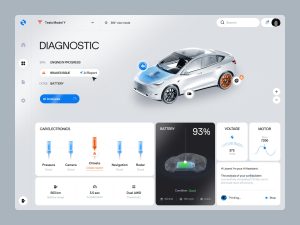
AI-Powered Battery Health Monitoring
Modern vehicles increasingly use artificial intelligence and smart diagnostics to monitor battery performance.
How AI Helps
AI systems analyze:
- Voltage trends
- Charging cycles
- Temperature data
- Driving patterns
- Battery age
These systems can predict battery failures before they occur.
Benefits of AI-Based Diagnostics
Predictive Maintenance
AI identifies potential issues weeks or months in advance.
Real-Time Monitoring
Drivers receive instant alerts when battery performance declines.
Improved Battery Lifespan
Early detection prevents excessive battery strain.
Reduced Repair Costs
Preventive maintenance is often cheaper than emergency repairs.
Smartphone Apps for Battery Monitoring
Many modern vehicles offer battery monitoring through mobile applications.
Popular features include:
- Battery status reports
- Charging history
- Maintenance reminders
- Remote diagnostics
- Performance analytics
These tools provide convenient access to battery health information.
Factors Affecting Battery Life
Several factors influence battery performance.
Extreme Temperatures
Hot weather accelerates battery degradation, while cold weather reduces efficiency.
Short Trips
Frequent short drives prevent full battery charging.
Electrical Loads
Leaving lights, chargers, or accessories running can drain the battery.
Poor Maintenance
Dirty terminals and loose connections reduce efficiency.
Vehicle Storage
Cars left unused for long periods may experience battery discharge.
How to Extend Battery Life
Follow these maintenance tips to maximize battery lifespan.
Keep Terminals Clean
Regularly remove corrosion from battery terminals.
Drive Regularly
Frequent driving helps maintain battery charge.
Avoid Excessive Electrical Usage
Turn off electronics when the engine is not running.
Protect Against Extreme Weather
Park in garages or shaded areas when possible.
Perform Regular Testing
Check battery voltage every few months.
When to Replace a Car Battery
Consider replacing the battery if:
- It is more than 4–5 years old
- Voltage consistently remains low
- Starting issues occur regularly
- The battery fails load testing
- Physical damage is visible
Replacing a failing battery before complete failure can prevent inconvenient breakdowns.
Common Battery Health Myths
Myth 1: A Battery Is Fine Until the Car Won’t Start
Reality: Battery performance declines gradually before complete failure.
Myth 2: Driving for 10 Minutes Fully Charges a Battery
Reality: Most batteries require significantly longer charging periods.
Myth 3: Cold Weather Damages Batteries
Reality: Heat often causes more long-term battery damage than cold temperatures.
Myth 4: Maintenance-Free Means No Maintenance
Reality: Even maintenance-free batteries require periodic inspection and testing.
Future of AI in Car Battery Diagnostics
Artificial intelligence is transforming automotive maintenance.
Future developments may include:
- Advanced predictive failure detection
- Cloud-based battery analytics
- Integration with smart vehicle ecosystems
- Automatic maintenance scheduling
- Real-time battery optimization
Electric vehicles already rely heavily on AI-powered battery management systems, and similar technologies are becoming common in conventional vehicles.
Conclusion
Checking car battery health is essential for ensuring reliable vehicle performance and preventing unexpected breakdowns. Simple methods such as visual inspections, voltage testing, and load testing can reveal valuable information about battery condition.
The emergence of AI-powered diagnostics has made battery monitoring smarter and more accurate than ever before. By combining traditional testing methods with modern technology, vehicle owners can identify problems early, extend battery life, and reduce maintenance costs.
Whether you drive a conventional gasoline vehicle, a hybrid, or an electric car, regular battery health checks should be a key part of your vehicle maintenance routine. Investing a few minutes in battery inspection today can save hours of frustration and costly repairs in the future.