
Introduction
Electronic devices have become an essential part of modern life. From communication and education to entertainment and healthcare, electronic devices play a vital role in almost every aspect of daily activities. These devices use electrical energy and electronic circuits to perform specific functions, making life easier, faster, and more efficient. Over the past few decades, technological advancements have transformed simple electronic gadgets into sophisticated tools that connect people worldwide and improve productivity.
Today, electronic devices are found in homes, offices, schools, hospitals, industries, and public places. They help people communicate instantly, access information, complete work efficiently, and enjoy various forms of entertainment. As technology continues to evolve, electronic devices are becoming smarter, more compact, and more powerful. This article provides a comprehensive list of electronic devices along with their uses, importance, and impact on modern society.
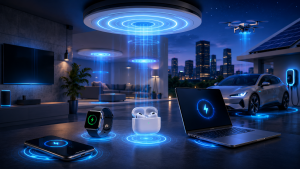
1. Smartphone
A smartphone is one of the most widely used electronic devices in the world. It combines the functions of a mobile phone with advanced computing capabilities. Smartphones allow users to make calls, send messages, browse the internet, take photos, use applications, and access social media platforms.
Modern smartphones feature high-resolution cameras, powerful processors, biometric security systems, and artificial intelligence capabilities. They have become essential tools for communication, business, education, and entertainment.

2. Laptop
A laptop is a portable computer designed for personal and professional use. It enables users to perform tasks such as document creation, internet browsing, programming, graphic design, and video editing.
Laptops are popular among students, professionals, and remote workers because they offer mobility and convenience. Modern laptops provide powerful performance while maintaining lightweight and compact designs.
3. Desktop Computer
Desktop computers are electronic devices used for various computing tasks. They generally offer higher performance than laptops and are commonly used in offices, schools, gaming centers, and homes.
Desktop computers consist of components such as a monitor, keyboard, mouse, processor, and storage devices. They are ideal for intensive tasks like software development, gaming, engineering, and multimedia production.
4. Tablet
A tablet is a portable touchscreen device that combines features of a smartphone and a laptop. Tablets are commonly used for reading, watching videos, browsing the internet, attending online classes, and taking notes.
Their lightweight design and long battery life make them suitable for students and professionals who require mobility and convenience.
5. Smartwatch
Smartwatches are wearable electronic devices that provide features beyond timekeeping. They can track fitness activities, monitor heart rate, display notifications, and even make phone calls when connected to a smartphone.
Smartwatches have become popular due to increasing health awareness and the demand for wearable technology.
6. Television
Television remains one of the most important electronic devices for entertainment and information. Modern smart TVs allow users to stream content, browse the internet, and access various online applications.
High-definition, 4K, and 8K televisions offer exceptional picture quality, enhancing the viewing experience for movies, sports, and educational content.
7. Digital Camera
Digital cameras are designed to capture photographs and videos in digital format. They are widely used by photographers, journalists, content creators, and hobbyists.
Advanced cameras provide features such as image stabilization, high-resolution sensors, and professional editing options.
8. Printer
Printers are electronic devices that produce physical copies of digital documents and images. They are commonly used in homes, offices, educational institutions, and businesses.
Popular types of printers include inkjet printers, laser printers, and multifunction printers that combine printing, scanning, and copying capabilities.
9. Scanner
A scanner converts physical documents and images into digital files. Scanners help organizations store records electronically and improve document management efficiency.
They are widely used in offices, libraries, banks, and educational institutions.
10. Projector
Projectors display images, videos, and presentations on large screens or walls. They are commonly used in classrooms, conference rooms, cinemas, and public events.
Modern projectors offer high brightness, wireless connectivity, and superior image quality.
11. Gaming Console
Gaming consoles are electronic devices designed specifically for playing video games. Popular gaming consoles provide immersive experiences through advanced graphics, online multiplayer features, and virtual reality support.
They are widely used for entertainment by people of all ages.
12. Headphones and Earbuds
Headphones and earbuds allow users to listen to audio privately. These devices are commonly used for music, gaming, online meetings, and educational content.
Wireless earbuds have become increasingly popular due to their convenience and portability.
13. Bluetooth Speaker
Bluetooth speakers are portable audio devices that connect wirelessly to smartphones, tablets, and computers. They provide high-quality sound for music, podcasts, and entertainment.
Their compact design makes them ideal for both indoor and outdoor use.
14. Microwave Oven
A microwave oven is an electronic kitchen appliance used to heat and cook food quickly. It saves time and energy compared to conventional cooking methods.
Microwave ovens are commonly found in homes, restaurants, and workplaces.
15. Refrigerator
Modern refrigerators use electronic controls to maintain food freshness and safety. Advanced models include smart features such as temperature monitoring, touchscreens, and internet connectivity.
Refrigerators are essential household appliances that help preserve food for extended periods.
16. Washing Machine
A washing machine automates the process of cleaning clothes. Modern machines include multiple washing modes, energy-saving features, and smart controls.
They significantly reduce the time and effort required for household chores.
17. Air Conditioner
Air conditioners regulate indoor temperature and humidity, creating a comfortable living and working environment. They are especially important in regions with extreme weather conditions.
Smart air conditioners can be controlled remotely through mobile applications.
18. Router
A router is a networking device that connects multiple devices to the internet. It plays a critical role in homes, offices, and educational institutions by enabling internet access and data sharing.
Modern routers support high-speed wireless connectivity and advanced security features.
19. Power Bank
Power banks are portable battery devices used to charge smartphones, tablets, and other gadgets while on the move.
They provide a convenient solution for maintaining device power during travel and emergencies.
20. Smart Home Devices
Smart home devices include smart lights, smart locks, smart cameras, and smart thermostats. These devices can be controlled remotely through smartphones or voice assistants.
They improve convenience, security, and energy efficiency in modern homes.
Benefits of Electronic Devices
Electronic devices offer numerous advantages, including:
- Improved communication through phones and internet-connected devices.
- Enhanced productivity in workplaces and educational institutions.
- Easy access to information and learning resources.
- Better healthcare through monitoring and diagnostic equipment.
- Increased convenience in daily household tasks.
- Entertainment through gaming, music, movies, and streaming services.
- Improved safety and security through smart surveillance systems.
Challenges and Disadvantages
Despite their benefits, electronic devices also present certain challenges:
- Excessive screen time may affect physical and mental health.
- Electronic waste contributes to environmental pollution.
- Cybersecurity risks can threaten personal information.
- Dependence on technology may reduce face-to-face interactions.
- Frequent upgrades can increase financial expenses.
Responsible usage and proper disposal of electronic devices are essential to minimize these issues.
Future of Electronic Devices
The future of electronic devices is closely linked to innovations such as artificial intelligence, the Internet of Things (IoT), robotics, and advanced connectivity technologies. Future devices are expected to become smarter, more energy-efficient, and highly interconnected.
Emerging technologies will enable devices to understand user preferences, automate routine tasks, and provide personalized experiences. Wearable technology, smart homes, autonomous vehicles, and intelligent healthcare systems will continue to shape the future of society.
Conclusion
Electronic devices have transformed the way people live, work, learn, and communicate. From smartphones and laptops to smart home systems and wearable technology, these devices have become indispensable in modern life. They improve efficiency, provide access to information, enhance entertainment, and support innovation across various industries.
As technology continues to advance, electronic devices will play an even greater role in shaping the future. Understanding their functions, benefits, and challenges helps individuals use technology responsibly and maximize its positive impact on society. Electronic devices are not merely tools; they are powerful innovations that continue to drive progress and improve the quality of life around the world.