
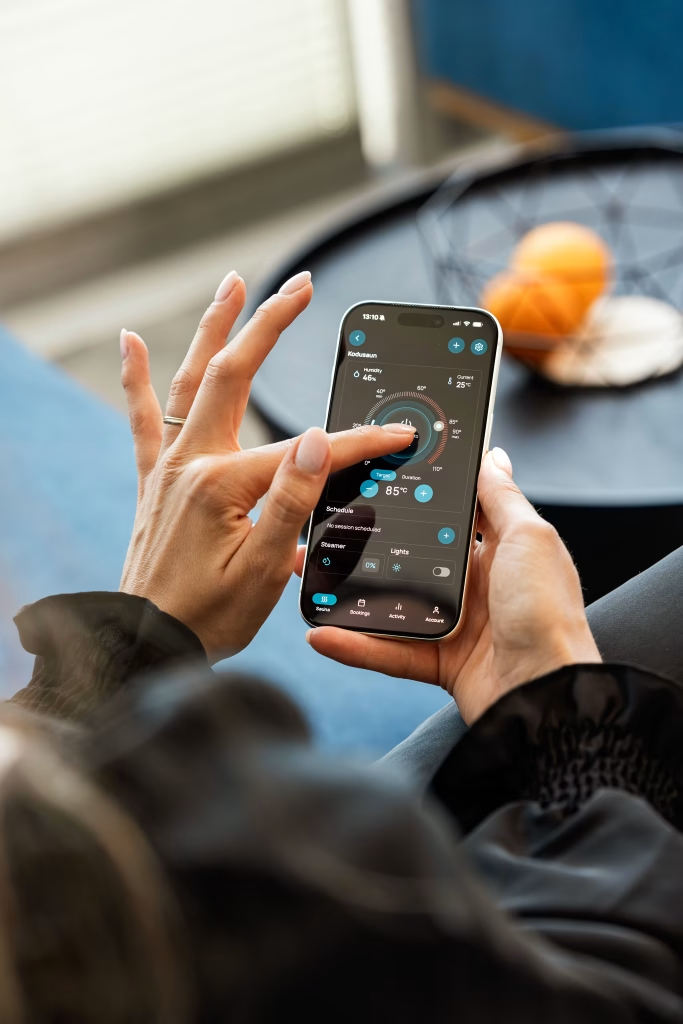

Stepping into the world of home automation can feel slightly intimidating when you look at complex custom wiring, expensive security ecosystems, and tech jargon. However, transforming your living space does not require an engineering degree or thousands of dollars in commercial equipment. Finding the best smart home devices for beginners allows you to upgrade your daily comfort, improve energy efficiency, and enjoy modern convenience through straightforward plug-and-play gadgets.
Starting small gives you the flexibility to test different brands, understand wireless voice protocols, and figure out what features actually benefit your daily lifestyle. As you become comfortable with basic automation, you can connect your individual gadgets into a comprehensive Smart Home Devices Guide that manages your entire household climate, lighting, and security automatically.
What Makes a Smart Device Beginner Friendly
Before buying your first automated gadget, it helps to understand what sets beginner-oriented technology apart from advanced smart home infrastructure. True beginner devices require zero permanent installation, electrical re-wiring, or structural modifications to your home. They plug directly into standard wall outlets, connect to existing home Wi-Fi networks without extra hardware, and feature intuitive smartphone apps.
If a product requires cutting into drywall, running ethernet lines, or rewiring high-voltage electrical breaker panels, it probably belongs in an advanced phase of home automation rather than your initial starter kit. Beginner gadgets should allow you to open the box, complete a quick five-minute setup process on your smartphone, and start enjoying automated features immediately.
Top Smart Home Device Categories for New Users
Focusing on entry-level products that offer immediate daily convenience gives you the highest value for your initial investment. Here are the most practical starter options available today.

1. Smart Plugs for Instant Appliance Control
Smart plugs are arguably the simplest and most versatile gadgets for any home automation beginner. These small adapters fit directly over your existing wall outlets, turning any traditional lamp, coffee maker, fan, or holiday tree light into an automated appliance.
By using a companion app on your phone, you can toggle power remotely, set custom daily schedules, or monitor real-time energy usage. They are particularly useful for making sure you never leave a curling iron or coffee pot running after leaving for work. You can also create automated schedules, such as having a floor lamp turn on at sunset to make your home look occupied while you are away on vacation.
2. Smart Speakers and Voice Assistants
A smart speaker serves as the interactive voice control center for your entire residence. Compact speakers equipped with virtual voice assistants allow you to control other connected devices, set kitchen timers, stream music, and check daily weather forecasts using hands-free voice commands.
Choosing between major ecosystem platforms usually comes down to personal preference, but starting with a single compact speaker in your kitchen or bedroom is an easy way to get comfortable with voice automation. Over time, as you add more connected devices, your smart speaker becomes the central point where you can execute routines like turning off all living room lights with a simple bedtime command.
Elevating Comfort with Smart Lighting and Security

Once you have experienced the convenience of smart plugs and voice commands, upgrading your ambient lighting and front door security is the natural next step.
Smart LED Bulbs
Replacing standard incandescent bulbs with smart LED bulbs gives you instant control over lighting brightness, color temperature, and scheduled routines. You can dim living room lights automatically for movie nights or set soft warm lighting to wake you up gently in the morning.
Unlike traditional wall dimmer switches that require manual electrical installation, smart bulbs simply screw into standard lamp sockets and connect directly to your home Wi-Fi network. Many modern smart bulbs also offer millions of color choices, allowing you to customize the atmosphere of your room for working, relaxing, or hosting guests.
Entry-Level Video Doorbells
A video doorbell provides immediate peace of mind by alerting you whenever someone approaches your front porch. These battery-powered devices offer crisp video feeds, motion detection, and two-way audio communication directly through your mobile device.
Whether you are at work or traveling out of town, you can check the live feed to see package deliveries or speak directly to visitors through the built-in speaker and microphone. Wireless battery-powered models are ideal for renters because they can be mounted using non-damaging adhesive brackets without drilling into outdoor door frames.
To learn more about consumer safety guidelines and device certification standards for wireless home gadgets, you can read the official insights published on to choose safe, reliable hardware.
Crucial Tips Before Buying Your First Gadgets
Avoiding common beginner mistakes will save you money and prevent technical frustration down the road as your collection of smart appliances grows:
-
Stick to a single ecosystem during your initial setup so all your gadgets communicate through one central smartphone app rather than requiring five different applications.
-
Verify your home Wi-Fi network strength in the specific rooms or outdoor porches where you plan to install wireless cameras, smart bulbs, or plugs.
-
Look for devices that support modern universal connectivity standards like Matter to ensure your hardware remains fully compatible with future smart home upgrades.
-
Always update factory default passwords and enable two-factor authentication immediately after completing initial device setups to keep your local network secure.
-
Start with one room at a time, such as your bedroom or living room, so you can gradually learn how routines work before expanding to the entire house.
Building Your Ideal Automated Home Step by Step
Embarking on a home automation journey does not mean you have to spend a fortune or overhaul your living space overnight. By starting with simple devices like smart plugs and smart bulbs, you quickly learn how automated schedules fit into your daily lifestyle.
As your comfort level grows, expanding into voice assistants, video doorbells, and automated climate controls becomes a natural progression. Choosing the best smart home devices for beginners ensures a stress-free entry into modern living, giving you complete control over your home environment right from the palm of your hand.