
Introduction
Maintaining the correct tyre pressure is one of the simplest yet most important aspects of vehicle maintenance. Properly inflated tyres improve safety, enhance fuel efficiency, extend tyre life, and provide a smoother driving experience. On the other hand, driving with underinflated or overinflated tyres can lead to poor handling, uneven wear, increased fuel consumption, and even dangerous blowouts.
Many drivers overlook tyre pressure until a warning light appears on the dashboard, but regular checks can prevent costly repairs and improve overall vehicle performance.
In this comprehensive guide, you’ll learn how to check tyre pressure, why it matters, what tools you need, how to interpret the readings, common mistakes to avoid, and practical maintenance tips.
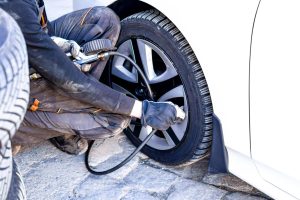
Why Tyre Pressure Is Important
Tyres are the only part of your vehicle that directly contacts the road. Their performance depends heavily on maintaining the recommended air pressure.
Benefits of correct tyre pressure include:
- Better road grip
- Improved braking performance
- Increased fuel economy
- Longer tyre lifespan
- Better steering control
- Reduced risk of tyre failure
- More comfortable driving
Even a small difference in pressure can affect vehicle performance.
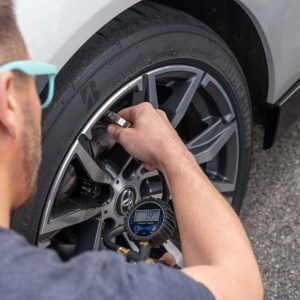
What Happens If Tyre Pressure Is Too Low?
Underinflated tyres create excessive friction with the road.
This can lead to:
- Poor fuel efficiency
- Uneven tyre wear
- Increased stopping distance
- Reduced handling performance
- Excessive heat buildup
- Higher risk of tyre failure
Driving long distances with low tyre pressure can significantly shorten tyre life.
What Happens If Tyre Pressure Is Too High?
Overinflated tyres can also cause problems, including:
- Reduced traction
- Harsher ride quality
- Uneven center tread wear
- Increased risk of damage from potholes
- Less effective braking on certain road surfaces
Maintaining the manufacturer’s recommended pressure is the safest approach.
When Should You Check Tyre Pressure?
For the most accurate reading, check tyre pressure:
- Before driving
- When the tyres are cold
- At least once a month
- Before long trips
- After significant temperature changes
Driving even a few miles warms the tyres and increases internal pressure, resulting in less accurate readings.
Tools You’ll Need
Checking tyre pressure requires minimal equipment:
- Digital tyre pressure gauge
- Dial tyre pressure gauge (optional)
- Pencil-style pressure gauge (optional)
- Air compressor or air pump if inflation is needed
Digital gauges are generally easy to read and widely available.
Step 1: Find the Recommended Tyre Pressure
Do not rely on the pressure printed on the tyre sidewall. That number usually indicates the tyre’s maximum pressure, not the recommended operating pressure for your vehicle.
Instead, check:
- The sticker inside the driver’s door frame
- The fuel filler door (on some vehicles)
- The owner’s manual
Recommendations are commonly listed in PSI (pounds per square inch), though some regions use kPa or bar.
Step 2: Make Sure the Tyres Are Cold
Cold tyres provide the most accurate reading.
Ideally:
- Check before driving.
- Or wait several hours after the vehicle has been parked.
If the tyres are warm from driving, pressure readings may be higher than the true cold pressure.
Step 3: Remove the Valve Cap
Locate the valve stem on the tyre.
Unscrew and safely store the small valve cap to avoid losing it.
The valve cap protects the valve from dirt and moisture.
Step 4: Attach the Pressure Gauge
Press the pressure gauge firmly onto the valve stem.
You may hear a brief hiss of escaping air if the connection isn’t sealed immediately.
A proper connection will display the tyre pressure reading.
Step 5: Read the Pressure
Compare the measured pressure with the manufacturer’s recommended value.
Example:
| Reading | Condition |
|---|---|
| Matches recommendation | Ideal |
| Slightly low | Add air |
| Significantly low | Inflate promptly |
| Higher than recommended | Release excess air |
Consistency across all tyres is important for balanced handling.
Step 6: Adjust the Pressure if Necessary
If Pressure Is Low
Use an air compressor to add air gradually.
Check the pressure again after adding air.
Repeat until the recommended value is reached.
If Pressure Is Too High
Press the valve pin gently to release a small amount of air.
Recheck using the pressure gauge.
Repeat until the pressure matches the recommended level.
Step 7: Replace the Valve Cap
After completing the measurement and adjustments:
- Screw the valve cap back onto the valve stem.
- Tighten it securely by hand.
Although inexpensive, valve caps help protect the valve from contamination and slow air leakage.
Don’t Forget the Spare Tyre
Many drivers check all four tyres but forget the spare.
A spare tyre with insufficient pressure may not be usable during an emergency.
Check the spare according to the manufacturer’s recommended maintenance schedule.
Understanding Tyre Pressure Monitoring Systems (TPMS)
Many modern vehicles include a Tyre Pressure Monitoring System (TPMS).
The system alerts drivers when tyre pressure falls below a specified threshold.
However:
- TPMS does not replace routine manual checks.
- It may not detect small pressure differences immediately.
- It generally warns only after pressure drops significantly.
Manual inspections remain an important maintenance practice.
How Temperature Affects Tyre Pressure
Air expands when heated and contracts when cooled.
As a general guideline:
- Cold weather can reduce tyre pressure.
- Hot weather can increase tyre pressure.
Seasonal temperature changes may require pressure adjustments to maintain recommended levels.
Common Mistakes When Checking Tyre Pressure
Avoid these frequent errors:
- Checking after a long drive
- Using the tyre sidewall maximum pressure instead of the vehicle recommendation
- Forgetting the spare tyre
- Ignoring slow leaks
- Failing to replace valve caps
- Not checking pressure regularly
Following proper procedures improves both safety and tyre longevity.
How Often Should You Check Tyre Pressure?
A good maintenance schedule includes:
- Once every month
- Before long road trips
- After major temperature changes
- When the TPMS warning light appears
- After hitting a pothole or curb
Regular checks take only a few minutes but can prevent costly problems.
Benefits of Proper Tyre Pressure
Maintaining the correct pressure offers several advantages:
Improved Safety
Properly inflated tyres provide better grip and braking performance.
Better Fuel Economy
Correct tyre pressure reduces rolling resistance, allowing the vehicle to operate more efficiently.
Longer Tyre Life
Even tread wear helps maximize the usable life of the tyres.
Better Vehicle Handling
Steering response and stability improve when tyres are inflated according to the manufacturer’s recommendations.
Lower Maintenance Costs
Proper inflation helps reduce premature tyre replacement and may lessen strain on suspension components.
Signs Your Tyres May Have Incorrect Pressure
Watch for these indicators:
- Vehicle pulling to one side
- Uneven tyre wear
- Increased fuel consumption
- Steering feels heavy
- TPMS warning light
- Noticeably softer or harsher ride
These symptoms should prompt a tyre pressure check and, if necessary, further inspection.
Frequently Asked Questions
What is the correct tyre pressure?
The correct pressure is the value recommended by your vehicle manufacturer, typically found on the driver’s door sticker or in the owner’s manual.
Can I use the pressure listed on the tyre sidewall?
No. The sidewall usually lists the tyre’s maximum pressure, not the recommended operating pressure for your specific vehicle.
Is it safe to drive with low tyre pressure?
Driving with significantly low tyre pressure increases heat buildup, reduces handling performance, and raises the risk of tyre damage. Inflate the tyres to the recommended level as soon as possible.
How long does it take to check tyre pressure?
Checking all four tyres generally takes about 5–10 minutes with a tyre pressure gauge.
Should all four tyres have the same pressure?
Not always. Some vehicles specify different pressures for the front and rear tyres, particularly when carrying heavy loads. Follow the values provided by the vehicle manufacturer.
Conclusion
Learning how to check tyre pressure is a simple yet essential skill for every driver. Regularly checking your tyres, using the manufacturer’s recommended pressure, and making adjustments when necessary can improve safety, fuel efficiency, handling, and tyre lifespan.
By spending just a few minutes each month on this basic maintenance task, you can reduce the risk of unexpected tyre problems and enjoy a safer, more reliable driving experience.