
I’ve always loved small kitchen gadgets that simplify everyday cooking. One tool that has completely changed how I handle boiling liquids is the clip-on strainer. If you’ve ever tried balancing a hot pot while draining pasta or vegetables, you know how stressful it can be. This little gadget attaches directly to the side of your cookware, letting you drain safely without transferring contents to another container. Honestly, it’s a tiny tool that makes a huge difference.
Before we dive in, here’s a quick snapshot of what you’ll discover in this guide:
What You’ll Learn in This Guide:
- What a clip-on strainer is and why it’s handy
- The main types available and their uses
- How to use it safely and efficiently
- Features to consider before purchasing
- My top recommendations for 2025
- Cleaning, maintenance, and common mistakes to avoid
- Extra tips for maximizing its usefulness
What Is a Clip-on Strainer?
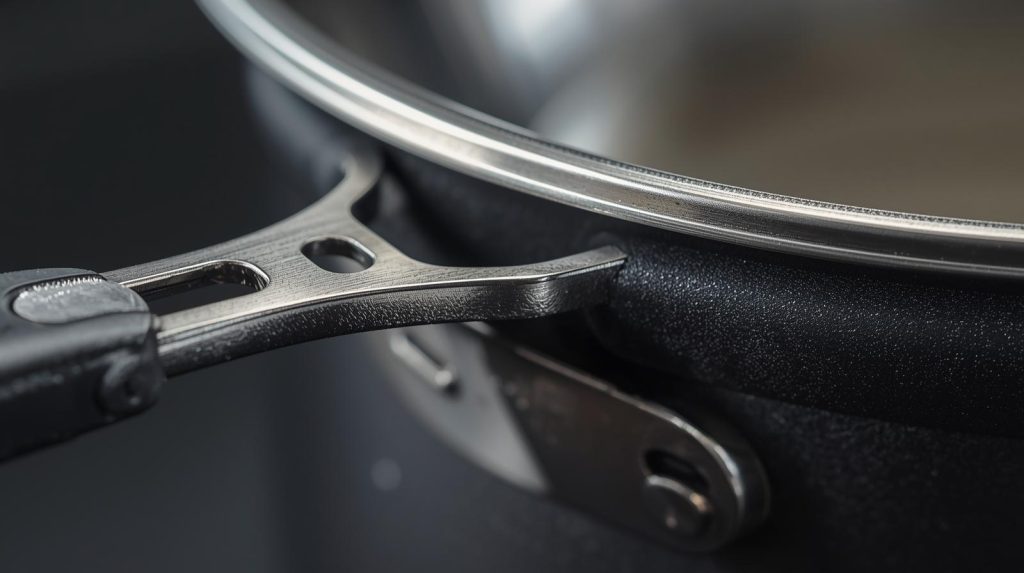
At its core, this tool is a small sieve that attaches to the edge of your cookware. Unlike traditional colanders that sit separately in the sink, it hugs the edge, allowing water or other liquids to drain without mess. It’s perfect for smaller workspaces or when you want to minimize dishes.
Think of it as the ninja of cooking accessories—compact, efficient, and quietly indispensable. Once you start using one, you’ll wonder how you managed without it for so long.
Why I Reach for This Gadget Every Day
Here’s why I’ve made it a permanent part of my routine:
- Hands-free convenience – No more juggling heavy pots while trying to pour boiling water. Your hands stay safe.
- Saves counter space – Clips directly to the cookware, so there’s no need for extra bowls or strainers.
- Time-efficient – Quick draining and minimal mess make cooking less of a chore.
I’ve used it for pasta, steamed vegetables, boiled eggs, and even dumplings. It may sound minor, but the difference in convenience is noticeable every time.
Types of Clip-on Strainers
Not all models are created equal. I’ve tried several over the years, and here’s a breakdown:
- Silicone versions – Flexible, heat-resistant, and gentle on non-stick cookware. They fold for compact storage, which is a bonus if your cabinets are tight.
- Stainless steel models – Durable, sturdy, and ideal for heavier pots or larger batches. They last longer and handle high temperatures without warping.
- Adjustable or expandable designs – Can fit multiple sizes of cookware, making them versatile for different meals.
I personally keep both silicone and stainless steel versions. One handles everyday tasks, while the other comes out for bigger meals or when I need extra durability.
How to Use a Clip-on Strainer Effectively
It’s simple to use, but a few tips make it safer and more effective:
- Secure attachment – Make sure it’s firmly clipped to the pan. A loose strainer can be dangerous.
- Pour gradually – Avoid rushing; sudden spills can lead to burns.
- Mind the weight – Full pots can be heavy. Support the pot or strainer if needed.
- For small batches – When cooking smaller portions, the clip-on strainer works like a charm for precision draining.
- Cleaning tip – Rinse immediately after use or use a soft brush to remove stuck-on starch. Most models are dishwasher-safe too.
Once you master the basics, even tricky foods like boiled dumplings or grains become effortless to drain.
Key Features to Consider
When choosing a clip-on strainer, here’s what I focus on:
- Material quality – Heat-resistant silicone or sturdy stainless steel ensures longevity.
- Adjustability – Some models expand to fit different pot sizes, which is handy if you have mixed cookware.
- Storage – Foldable or compact designs save valuable cupboard space.
- Grip comfort – Handles should feel secure; no one wants their hands burned while straining.
- Multipurpose use – Some models double as a small colander for washing fruits, grains, or beans.
Practical Uses I Rely On
I’ve discovered this tool can do more than just drain pasta. Here are my favorite uses:
- Pasta and grains – Draining noodles, rice, or quinoa is quick and spill-free.
- Vegetables – Steamed or boiled veggies strain fast without extra bowls.
- Boiled eggs – Easy and safe to remove eggs from hot water.
- Small fruits – Rinsing berries, cherry tomatoes, or grapes in small batches.
- Broths or stocks – Separates solids from liquids without needing a separate colander.
It’s so convenient that I often leave my traditional colander tucked away. This tool handles most daily tasks.
Extra Tips for Maximum Efficiency
Here are some tricks I’ve picked up over the years:
- Double-pot strategy – Keep one clipped on a second pot when cooking multiple dishes simultaneously.
- Temperature awareness – Perfect for handling boiling water without risking burns.
- Minimal cleanup – Less transfer between containers means fewer dishes to wash.
- Multipurpose functionality – Use it to rinse beans, grains, or even small batches of frozen veggies directly from the pot.
Even small hacks like these make a big difference when cooking regularly.
My Top Clip-on Strainer Picks for 2025
After testing multiple brands, these are my top recommendations:
- Silicone Flex Strainer – Flexible, folds for storage, safe on non-stick surfaces.
- Pro Stainless Steel Clip Strainer – Sturdy, fits most pans, and feels solid in hand.
- Expandable Kitchen Sieve – Adjustable fit for multiple pot sizes, perfect for pasta nights or larger meals.
For more tools that simplify cooking, check out my post on kitchen gadget store.
I keep a flexible and a heavy-duty option on hand. This combination covers nearly every cooking scenario.
Common Mistakes to Avoid
Even a simple gadget can cause issues if used incorrectly. Avoid these pitfalls:
- Overloading the pot – Too much food or liquid can tip even a well-secured strainer.
- Improper attachment – Always double-check that it’s clipped properly.
- Neglecting cleaning – Starch and food residue can accumulate if ignored, affecting performance.
Avoiding these ensures your gadget performs well for years.
Cleaning & Maintenance
A little maintenance goes a long way:
- Rinse immediately – Prevents food from drying and sticking.
- Use a soft brush – Tackles stubborn residue without damaging the material.
- Dishwasher-safe models – Great for busy days, but check manufacturer instructions.
- Storage – Fold, hang, or nest in a drawer to save space.
Regular care keeps it in peak condition, ready for daily use.
Frequently Asked Questions (FAQ)
- Can it handle very hot water safely?
Yes, as long as the strainer is made from heat-resistant materials like silicone or stainless steel. Avoid using plastic models that aren’t labeled heat-safe. - Will it fit all types of cookware?
Not always. Expandable or adjustable models work best for different pot sizes, while fixed-size strainers are ideal for specific pans. - Can it replace a traditional colander?
For most daily tasks, yes. However, for large batches, heavy pasta, or boiling vegetables, a full-sized colander may still be more practical. - How do I clean it without damage?
Rinse immediately after use, use a soft brush for stuck-on bits, or place it in the dishwasher if the manufacturer allows. - Is it safe for non-stick pots and pans?
Absolutely. Silicone models are gentle and won’t scratch non-stick surfaces, making them perfect for delicate cookware. - Can I use it for frozen or small foods?
Yes! It works great for rinsing frozen vegetables, berries, or small grains without losing any through the holes. - How do I know which size to buy?
Consider the largest pot you commonly use. Adjustable strainers offer flexibility, but a fixed-size one may be easier for small pots or everyday meals. - Does it help reduce kitchen mess?
Definitely. Because it clips directly to the pot, there’s no need to transfer boiling water or spill liquids, keeping counters cleaner. - Can it double as a fruit or vegetable washer?
Yes! Many people use it to rinse small batches of produce, beans, or grains directly from the pot or colander-like attachment. - How durable is a clip-on strainer?
With proper care, stainless steel and high-quality silicone strainers can last for years. Avoid twisting or overloading beyond the recommended weight. - Is it easy to store?
Yes. Most silicone models fold flat, and stainless steel versions are compact enough to hang or nest in drawers. - Can children or beginners use it safely?
Absolutely, especially silicone models. They reduce the risk of burns and spills, making them beginner-friendly for anyone learning to cook.
Final Thoughts
Clip-on strainers may seem small, but they make a huge difference in the kitchen. They save time, reduce spills, and make draining safer, whether you’re cooking pasta, vegetables, or small fruits. For anyone who cooks regularly, this gadget is a must-have.
If you haven’t tried one yet, I highly recommend it. It’s a tiny investment for massive convenience—and your future self will thank you