
If you have ever noticed more earwax than usual after long listening sessions, you are not imagining things. Many regular headphone and earbud users report changes in earwax levels, and it turns out there is real science behind this connection. So, can headphones cause earwax buildup? The short answer is yes — but the details matter a great deal. This guide covers everything you need to know about how your listening habits affect your ear health, what the risks are, and what you can do about it.
Can Headphones Cause Earwax Buildup? Understanding the Basics
Earwax — medically known as cerumen — is a natural substance produced by glands in the outer portion of your ear canal. It serves as a self-cleaning mechanism, trapping dust, debris, and microorganisms before they reach the sensitive eardrum. Under normal circumstances, earwax migrates from the inner canal outward naturally, drying and flaking away on its own.
The problem begins when something interrupts this natural migration process. Any device inserted into or placed near the ear canal can alter the environment inside the ear — changing temperature, humidity, airflow, and mechanical pressure in ways that affect how earwax is produced and how it moves.
So can headphones cause earwax buildup in a meaningful way? Audiologists and ear health specialists increasingly say yes, particularly for in-ear devices. But even over-ear and on-ear headphones can play a role, depending on how they are used. Understanding the specific mechanisms helps clarify why and how this happens.
To understand which headphone types are safest overall, read our complete guide: Which Headphones Are Safest for Your Ears?
How Headphones Cause Earwax Buildup: The Science Behind It
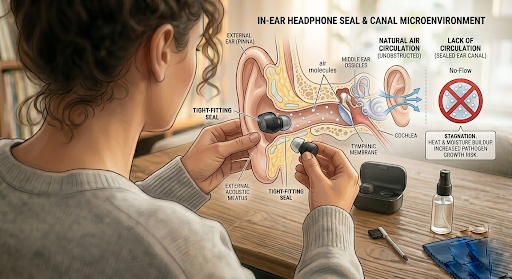
Blocked Ear Canal Airflow — A Primary Reason Headphones Cause Earwax Buildup
The ear canal relies on a degree of airflow to regulate temperature and moisture. When you insert earbuds or in-ear monitors (IEMs) into the canal, you create a seal that blocks this airflow. The resulting warm, moist environment accelerates gland activity in the canal lining — and those glands produce earwax.
Think of it like wearing a rubber glove: your hand sweats more than it would in open air. The same principle applies inside a sealed ear canal. Increased warmth and humidity directly stimulate cerumen-producing glands, leading to greater wax output than your ear would normally generate on its own.
Physical Pressure and Migration Disruption
Your ear canal is designed so that the movement of your jaw — during chewing, talking, and yawning — naturally massages earwax outward. Earbuds that sit snugly in the canal can physically block this outward migration. Wax that cannot move outward accumulates deeper in the canal, eventually forming a plug that can muffle hearing, cause discomfort, or lead to infection.
Even over-ear and on-ear headphones can contribute to this problem indirectly. The pressure of headphone cups pressing against the outer ear can slightly alter the mechanics of the jaw-canal relationship, though the effect is far less pronounced than with in-ear devices.
Heat and Moisture from Extended Wearing
Long listening sessions — whether for gaming, work calls, or music — increase the time your ears spend in an altered thermal environment. The longer a sealed earbud sits in the canal, the more heat accumulates. Studies referenced by Columbia University Medical Center suggest that this thermal effect is one of the primary drivers of increased cerumen production in regular earbud users.
Over-ear headphones create a similar microclimate around the outer ear, trapping warmth against the pinna and ear canal entrance. While less directly impactful than in-ear devices, this warmth can still elevate cerumen production, especially during sessions lasting several hours.
Can Headphones Cause Earwax Buildup More Than Earbuds? A Direct Comparison
Not all listening devices carry the same risk when it comes to earwax accumulation. Here is how the main categories compare:
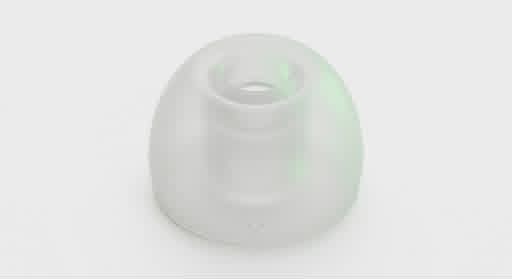
In-Ear Earbuds and IEMs — Highest Risk of Earwax Buildup
In-ear devices that create a seal inside the ear canal carry the highest risk of triggering excess cerumen production. They block airflow most completely, trap the most heat, and most directly interfere with natural wax migration. Custom-fit IEMs — the type used by musicians and audiophiles — seal even more completely than standard consumer earbuds, making them the highest-risk category.
The physical design of the ear tip matters too. Foam tips create a deeper, more airtight seal than silicone tips. While foam tips offer better noise isolation, they are more likely to accelerate earwax production. If earwax buildup is a concern, shallow-fitting silicone tips may be preferable.
On-Ear Headphones — Moderate Earwax Impact
On-ear headphones rest against the outer ear without entering the canal. They do not directly obstruct earwax migration, but they create a warm microenvironment in the ear during extended wear. The risk of earwax buildup from on-ear headphones is moderate — significantly lower than earbuds but not zero.
Over-Ear Headphones — Lowest Earwax Risk
Over-ear headphones encircle the entire ear without contacting the ear canal at all. Their larger ear cups allow more airflow around the pinna than on-ear designs. They are widely considered the lowest-risk headphone type for earwax-related issues. This is one of the key reasons audiologists recommend over-ear designs for extended daily use. See also: Are Headphones Better for Your Ears?
Signs That Headphone Use Is Causing Earwax Buildup for You
Not everyone who uses earbuds will develop problematic earwax accumulation — genetics, canal shape, and cerumen type all influence individual risk. However, there are clear warning signs:
- Muffled or reduced hearing that improves when you remove your earbuds
- A sensation of fullness or pressure inside one or both ears
- Tinnitus (ringing or buzzing) that begins or worsens during or after listening sessions
- Itching or discomfort deep inside the ear canal
- Visible wax on your earbud tips after short listening periods
- Recurring ear infections, particularly if you are an earbud user
- Needing to clean your earbuds more frequently than before
If you experience any of these symptoms regularly, it is worth consulting an audiologist or ENT specialist. Impacted earwax is a common but entirely treatable cause of sudden hearing changes.
Can Headphones Cause Earwax Buildup in Children? Special Considerations
Children’s ear canals are smaller and shaped differently than adults, making them more susceptible to the effects of in-ear devices. A child’s canal is narrower, meaning there is less room for earwax to migrate outward naturally.
Pediatric audiologists generally advise against children using in-ear earbuds for extended periods, recommending over-ear headphones with appropriate volume limiting instead. Regular ear checks by a pediatrician are a sensible precaution for children who regularly use headphones — particularly if they use in-ear devices for school or gaming.
How to Prevent Headphones from Causing Earwax Buildup
Choose the Right Device Type to Minimize Earwax Buildup Risk
The single most effective prevention strategy is choosing a headphone design that minimizes canal interference. Over-ear headphones are the best choice for everyday use if earwax accumulation is a concern. If you prefer earbuds for portability, open-fit designs (which do not seal the canal) produce less earwax accumulation than sealed in-ear models.
For specific model recommendations: Which Headphones Are Safest for Your Ears?
Limit Session Length and Take Regular Breaks
The longer your ears spend in a warm, sealed environment, the more earwax they produce. Taking breaks every 60 minutes allows the ear canal to return to normal temperature and airflow conditions, reducing cumulative cerumen stimulation.
Keep Your Devices Clean
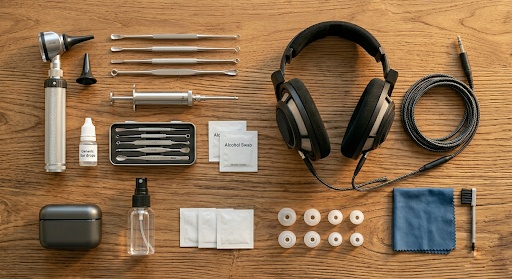
Earwax transfers onto earbud tips during every listening session. This residue can harbor bacteria and — if reintroduced into the ear — potentially push wax back inward. Clean your ear tips after every use with a dry or slightly damp cloth, and replace tips regularly.
Never Use Cotton Swabs to Remove Earwax
Cotton swabs push wax deeper into the canal — compacting it against the eardrum and worsening the very buildup they are meant to address. If you need to clean visible wax at the canal entrance, use a soft cloth around your fingertip only.
Consider Safe Earwax Removal Options
Over-the-counter ear drops containing hydrogen peroxide, carbamide peroxide, or mineral oil can soften wax and facilitate natural expulsion. For persistent or severe buildup, professional microsuction performed by an audiologist is the safest and most effective option.
What Audiologists and Ear Health Specialists Say About Headphones and Earwax
Boots Hearing Care specialists note that in-ear headphones and earbuds are among the most common environmental factors contributing to cerumen buildup in otherwise healthy adults. The combination of warmth, moisture, and physical obstruction creates conditions that reliably stimulate excess wax production in many users.
Columbia University Medical Center physicians similarly point out that the trend toward longer daily listening sessions — driven by remote work, streaming, and gaming — has corresponded with an increase in patients presenting with earwax-related hearing complaints.
The professional consensus is clear: users should be informed about the risk, choose their devices thoughtfully, practice good ear hygiene, and seek professional help if persistent symptoms arise.
Frequently Asked Questions: Can Headphones Cause Earwax Buildup?
1. Can headphones cause earwax buildup even if I only use them for an hour a day?
Yes, even short daily sessions can contribute to earwax accumulation over time, particularly with sealed in-ear devices. The cumulative effect of daily heat exposure and canal blockage can gradually increase cerumen production. One hour a day may not produce noticeable problems for most users, but those with naturally high cerumen production may notice a difference.
2. Do over-ear headphones cause earwax buildup?
Over-ear headphones carry a much lower risk than in-ear earbuds because they do not enter or seal the ear canal. However, the warm microenvironment they create around the outer ear can marginally increase cerumen production during very long sessions. For most users, over-ear headphones do not cause clinically significant earwax issues.
3. Can wireless earbuds cause more earwax buildup than wired earbuds?
The wireless or wired distinction is not the relevant factor. What matters is the fit style — whether the device seals the ear canal. Wireless earbuds with a sealed in-canal fit carry the same earwax risks as wired earbuds with the same design. Open-fit wireless earbuds carry a lower risk than sealed designs.
4. How do I know if my earwax buildup is caused by headphones?
If you notice increased earwax, muffled hearing, or ear fullness that correlates with your listening habits — appearing during periods of heavy earbud use and improving during periods without them — headphone use is likely a contributing factor. An audiologist can assess your cerumen levels and help identify the cause.
5. Can headphones cause earwax buildup that leads to infection?
Yes. Impacted earwax creates conditions favorable for bacterial growth — it traps moisture and warmth while blocking the canal’s natural self-cleaning mechanism. Outer ear infections (otitis externa) are more common in frequent earbud users than in the general population.
6. Should I clean my ears more often if I use earbuds daily?
You should be more attentive to ear health if you use in-ear devices daily, but aggressive cleaning is not the answer. The ear canal is self-cleaning and does not need regular deep cleaning in most people. Focus on keeping your earbud tips clean and consulting a professional if you notice buildup symptoms.
7. Are foam ear tips worse than silicone for earwax buildup?
Foam ear tips create a deeper, more airtight seal than silicone tips, blocking airflow more completely and trapping more heat — both factors that stimulate cerumen production. For users concerned about earwax buildup, shallow-fitting silicone ear tips are generally preferable to foam.
8. Can headphones cause earwax buildup in one ear more than the other?
Yes. Earwax buildup is frequently asymmetric, even in regular earbud users. Individual variation in ear canal shape and cerumen gland density can cause one ear to accumulate more wax than the other. This is entirely normal, but asymmetric hearing changes should always be assessed by a professional to rule out other causes.
9. What is the safest type of headphone to use if I am prone to earwax buildup?
Over-ear headphones are the safest choice for people who regularly experience earwax accumulation. If you prefer a more portable option, open-fit earbuds — which rest at the canal entrance without sealing it — are the next best choice. Sealed in-ear earbuds and custom IEMs carry the highest risk.
10. When should I see a doctor about earwax buildup related to headphone use?
You should see a specialist if you experience: significant or sudden hearing loss, persistent pain inside the ear canal, tinnitus that does not resolve after removing headphones, recurring ear infections, or a sensation of fullness lasting more than a day or two. Impacted earwax is highly treatable, and early intervention prevents more serious complications.
Conclusion: Can Headphones Cause Earwax Buildup — The Bottom Line
The evidence is clear: yes, headphones — and particularly in-ear earbuds — can cause earwax buildup by blocking ear canal airflow, trapping heat and moisture, and disrupting the natural outward migration of cerumen. The risk varies by device type, with sealed in-ear designs carrying the highest risk and over-ear headphones carrying the lowest.
The good news is that this is a largely preventable problem. Choosing over-ear or open-fit designs, limiting session length, cleaning your devices regularly, and avoiding cotton swabs are all effective strategies. For those already experiencing symptoms, safe at-home treatments and professional ear cleaning are readily available.