
Introduction
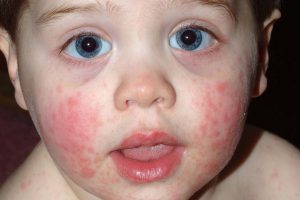
If you’ve ever looked at your baby’s soft skin and noticed sudden redness, bumps, or irritation, you’re not alone. Most baby skin rashes are completely normal and treatable. Understanding the cause of the rash can help you provide the right care and know when medical attention is needed.
Why Is Baby Skin So Sensitive?
A baby’s skin is thinner and more delicate than adult skin, making it more vulnerable to irritation and environmental triggers.
Factors That Make Baby Skin Sensitive
- Skin is 20–30% thinner than adult skin
- Loses moisture more quickly
- Absorbs substances more easily
- Immune system is still developing
- Reacts strongly to heat, friction, and irritants
Most Common Baby Skin Rash Causes
- Diaper Rash (Diaper Dermatitis)
Diaper rash is one of the most common skin conditions in babies.
Common Causes
- Wet or soiled diapers left on too long
- Friction from diaper rubbing
- Sensitivity to wipes or diaper products
- Yeast infections
- Changes in stool after introducing solid foods
Symptoms
- Bright red skin
- Swelling
- Small bumps or blisters
- Red patches with satellite spots (possible yeast infection)
- Heat Rash (Miliaria)
Heat rash appears as tiny red or pink bumps caused by trapped sweat.
Common Causes
- Overdressing
- Hot and humid weather
- Blocked sweat glands
Symptoms
- Small red bumps
- Prickly sensation
- Rash in skin folds, neck, chest, and armpits
- Eczema (Atopic Dermatitis)
Eczema causes dry, itchy, and inflamed skin patches.
Common Causes
- Family history of allergies or asthma
- Skin barrier dysfunction
- Environmental allergens
- Food sensitivities
- Dry weather
Symptoms
- Dry skin
- Itching
- Red, inflamed patches
- Frequent flare-ups
- Cradle Cap (Seborrheic Dermatitis)
Cradle cap usually affects a newborn’s scalp and appears as yellow, greasy scales.
Common Causes
- Overactive oil glands
- Natural skin yeast (Malassezia)
Symptoms
- Yellow or white scales
- Crusty patches on the scalp
- Sometimes appears around eyebrows and ears
- Baby Acne
Baby acne commonly appears during the first few weeks after birth.
Common Causes
- Maternal hormones
- Immature oil glands
Symptoms
- Small red or white pimples
- Appears on cheeks, forehead, and nose
- Contact Dermatitis
This rash develops when the skin reacts to an irritant or allergen.
Common Triggers
- Scented soaps and lotions
- Baby wipes
- Laundry detergents
- Synthetic fabrics
- Metal snaps and jewelry
Symptoms
- Redness
- Itching
- Blisters
- Rash limited to the area of contact
- Viral Rashes
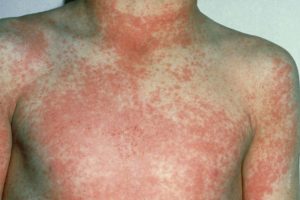
Some rashes are associated with common childhood viral infections.
Roseola
- High fever followed by a pink rash
Hand, Foot, and Mouth Disease
- Mouth sores
- Rash on hands, feet, and buttocks
Chickenpox
- Itchy, fluid-filled blisters
Other Symptoms
- Fever
- Runny nose
- Fussiness
- Fatigue
https://my.clevelandclinic.org/health/diseases/6951-skin-conditions-in-children
Baby Skin Rash Treatment: What Actually Works
Treating Diaper Rash
- Change diapers frequently
- Clean gently with warm water
- Use zinc oxide barrier cream
- Allow diaper-free time
- Seek medical advice for suspected yeast infections
Treating Heat Rash
- Move baby to a cooler environment
- Dress in lightweight cotton clothing
- Use cool compresses
- Avoid thick creams and ointments
Treating Eczema
- Moisturize several times daily
- Use fragrance-free products
- Bathe with lukewarm water
- Avoid known triggers
- Follow pediatrician recommendations for flare-ups
Treating Cradle Cap
- Apply baby oil or coconut oil
- Gently loosen flakes with a soft brush
- Wash with mild baby shampoo
- Avoid aggressive scrubbing
Treating Contact Dermatitis
- Remove the trigger
- Wash the affected area
- Apply a gentle moisturizer
- Consult a doctor if symptoms worsen
Treating Viral Rashes
- Focus on comfort and hydration
- Treat fever if necessary
- Monitor symptoms closely
- Contact your pediatrician if fever accompanies the rash
When Should You Call the Doctor?
Seek medical attention if:
- The rash spreads rapidly
- Your baby has a fever
- Blisters or open sores develop
- The skin appears infected
- Swelling occurs around the face or eyes
- The rash doesn’t improve after several days
- Your baby has difficulty breathing
Choosing the Right Products for Baby’s Skin
Look For
- Fragrance-free products
- Hypoallergenic formulas
- Ceramides
- Shea butter
- Colloidal oatmeal
- Zinc oxide
- pH-balanced cleansers and wipes
Avoid
- Alcohol
- Artificial fragrances
- Harsh dyes
- Parabens
- Strong chemical ingredients
https://my.clevelandclinic.org/health/diseases/6951-skin-conditions-in-children
How to Prevent Baby Skin Rashes
Daily Prevention Tips
- Change diapers promptly
- Dress baby in breathable fabrics
- Use gentle skincare products
- Bathe with lukewarm water
- Wash new clothes before use
- Keep indoor temperatures comfortable
- Introduce new foods gradually
Frequently Asked Questions (FAQ)
Are baby skin rashes normal?
Yes. Most baby skin rashes are common and usually harmless when properly managed.
Can baby skin rashes go away on their own?
Many rashes, such as heat rash, baby acne, and cradle cap, often resolve without treatment.
What is the fastest way to treat diaper rash?
Frequent diaper changes, air exposure, and zinc oxide cream are usually the most effective treatments.
When should I worry about a baby rash?
A rash accompanied by fever, swelling, difficulty breathing, or signs of infection should be evaluated by a doctor.
Final Thoughts
Seeing a rash on your baby’s skin can be concerning, but most infant skin conditions are manageable with proper care and attention. Understanding the most common baby skin rash causes and treatments can help you respond confidently and keep your baby’s skin healthy, comfortable, and protected.