
Table of Contents
ToggleIntroduction
Electronic devices have transformed the way we live, work, communicate, and entertain ourselves. From the smartphone in your pocket to the smart refrigerator in your kitchen, these devices make everyday tasks faster, easier, and more efficient. As technology continues to evolve, the variety of electronic devices available has expanded dramatically, serving industries such as healthcare, education, transportation, business, and entertainment.
Understanding the types of electronic devices helps consumers choose the right products, businesses adopt better technology, and students gain a stronger foundation in electronics. While many people think only of smartphones or computers, electronic devices include a vast range of products designed for different purposes.
In this comprehensive guide, we’ll explore the major categories of electronic devices, how they work, their applications, advantages, and future trends shaping the electronics industry.

What Are Electronic Devices?
Electronic devices are machines that use electrical energy and electronic circuits to perform specific tasks such as processing information, communication, entertainment, measurement, or automation.
Unlike simple electrical equipment that only converts electricity into light or heat, electronic devices process signals and data using components such as:
- Microprocessors
- Transistors
- Sensors
- Memory chips
- Integrated circuits
Examples include:
- Smartphones
- Laptops
- Smart TVs
- Digital cameras
- Gaming consoles
- Smartwatches
- Medical monitors
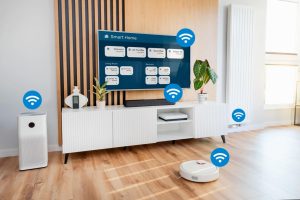
Why Electronic Devices Are Important
Electronic devices play a vital role in modern society by improving productivity and convenience.
Their benefits include:
- Faster communication
- Easy access to information
- Improved healthcare
- Better education
- Smart automation
- Enhanced entertainment
- Efficient business operations
Today, almost every industry depends on electronics.
Main Types of Electronic Devices
1. Communication Devices
Communication devices allow people to exchange information instantly across the world.
Examples:
- Smartphones
- Mobile phones
- Tablets
- Two-way radios
- Satellite phones
- Video conferencing systems
Advantages
- Instant messaging
- Voice and video calls
- Internet access
- Remote collaboration
These devices have revolutionized global communication.
2. Computing Devices
Computing devices process and store data while running software applications.
Examples:
- Desktop computers
- Laptops
- Mini PCs
- Workstations
- Servers
Common Uses
- Office work
- Programming
- Graphic design
- Gaming
- Scientific research
Modern computers can perform billions of calculations every second.
3. Entertainment Devices
Entertainment electronics provide audio, video, and gaming experiences.
Examples include:
- Smart TVs
- Streaming devices
- Gaming consoles
- Bluetooth speakers
- Home theater systems
- Media players
Benefits
- Movies
- Music
- Gaming
- Live streaming
- Sports viewing
The entertainment industry continues to innovate with higher resolutions and immersive technologies.
4. Smart Home Devices
Smart home electronics connect through the internet or local wireless networks to automate household tasks.
Examples:
- Smart lights
- Smart thermostats
- Smart locks
- Smart doorbells
- Smart speakers
- Smart security cameras
Advantages
- Remote control
- Energy savings
- Enhanced security
- Voice commands
- Automation
Smart homes are becoming increasingly popular worldwide.
5. Wearable Electronic Devices
Wearable devices are designed to be worn on the body and often include health and fitness tracking features.
Examples:
- Smartwatches
- Fitness trackers
- Smart glasses
- Health monitoring devices
Common Features
- Heart rate monitoring
- Step counting
- Sleep tracking
- Notifications
- GPS tracking
Wearable technology combines convenience with real-time data collection.
6. Medical Electronic Devices
Healthcare relies heavily on advanced electronics for diagnosis and patient care.
Examples:
- ECG machines
- Blood pressure monitors
- Pulse oximeters
- Ultrasound systems
- MRI scanners
- Patient monitors
Importance
These devices assist healthcare professionals in monitoring, diagnosing, and treating patients more effectively.
7. Educational Electronic Devices
Technology has transformed learning through digital education tools.
Examples:
- Tablets
- E-readers
- Interactive whiteboards
- Educational calculators
- Digital projectors
Benefits
- Online learning
- Interactive lessons
- Easy access to educational resources
- Remote education
Education technology continues to expand globally.
8. Office Electronic Devices
Businesses depend on electronic equipment for daily operations.
Examples:
- Printers
- Scanners
- Photocopiers
- Fax machines
- Projectors
- Video conferencing systems
These devices improve efficiency and communication in workplaces.
9. Kitchen Electronic Devices
Modern kitchens feature many electronic appliances that simplify cooking and food preparation.
Examples:
- Microwave ovens
- Coffee makers
- Air fryers
- Rice cookers
- Electric kettles
- Dishwashers
Advantages
- Faster cooking
- Convenience
- Energy efficiency
- Time savings
Smart kitchen appliances are becoming increasingly common.
10. Personal Care Electronic Devices
Many electronics are designed specifically for grooming and personal care.
Examples:
- Electric toothbrushes
- Hair dryers
- Electric shavers
- Hair straighteners
- Facial cleansing devices
These products make personal care routines more convenient.
11. Security Electronic Devices
Security systems protect homes and businesses through monitoring and surveillance.
Examples:
- CCTV cameras
- Motion detectors
- Alarm systems
- Smart locks
- Video doorbells
Benefits
- Crime prevention
- Remote monitoring
- Real-time alerts
- Improved safety
Many modern systems integrate with smartphones.
12. Automotive Electronic Devices
Today’s vehicles contain numerous electronic systems.
Examples:
- GPS navigation units
- Parking sensors
- Dash cameras
- Tire pressure monitoring systems
- Engine control units
- Infotainment systems
Automotive electronics improve both safety and comfort.
13. Industrial Electronic Devices
Factories and manufacturing plants rely on specialized electronic equipment.
Examples:
- Programmable Logic Controllers (PLCs)
- Industrial sensors
- Robotic systems
- Automation controllers
- Process monitoring equipment
These devices increase productivity and precision.
14. Scientific Electronic Devices
Research laboratories use advanced electronic instruments for measurement and analysis.
Examples:
- Oscilloscopes
- Spectrometers
- Electronic microscopes
- Data acquisition systems
These tools enable scientific discoveries across many fields.
Components Found in Most Electronic Devices
Most electronic devices contain several key components:
- Power supply
- Circuit board
- Processor (CPU)
- Memory
- Sensors
- Display
- Input controls
- Output systems
These components work together to perform specific tasks.
How Electronic Devices Communicate
Modern electronics often connect through:
- Wi-Fi
- Bluetooth
- NFC
- Cellular networks
- USB
- Ethernet
These technologies allow devices to exchange data quickly and efficiently.
Advantages of Electronic Devices
Electronic devices offer numerous benefits:
- Improved productivity
- Instant communication
- Better entertainment
- Access to information
- Increased automation
- Enhanced healthcare
- Smarter transportation
- Energy efficiency
They have become essential tools in modern life.
Challenges of Electronic Devices
Despite their benefits, electronics also present challenges:
- Electronic waste
- Cybersecurity risks
- Battery degradation
- Rapid technological changes
- Repair costs
- Environmental impact
Responsible use and recycling can help address many of these concerns.
Future Trends in Electronic Devices
Technology continues to evolve rapidly. Emerging trends include:
- Artificial Intelligence integration
- Foldable devices
- Wearable health monitoring
- Smart cities
- Internet of Things (IoT)
- Advanced robotics
- Energy-efficient processors
- Quantum computing research
These innovations are expected to shape the next generation of electronics.
Tips for Choosing Electronic Devices
Before purchasing an electronic device, consider:
- Your intended use
- Performance requirements
- Battery life
- Compatibility
- Warranty
- Software support
- Energy efficiency
- Budget
Comparing specifications and reading reliable reviews can help you make an informed decision.
Frequently Asked Questions
What are electronic devices?
Electronic devices are machines that use electrical energy and electronic circuits to process information or perform specific functions.
What is the most common electronic device?
Smartphones are among the most widely used electronic devices worldwide due to their communication, computing, and entertainment capabilities.
What is the difference between electrical and electronic devices?
Electrical devices mainly convert electrical energy into other forms such as heat or motion, while electronic devices control and process electrical signals to perform more complex tasks.
Are smart home products electronic devices?
Yes. Smart lights, smart locks, smart speakers, and similar products are electronic devices that often connect to networks for automation and remote control.
Why are electronic devices important?
They improve communication, productivity, healthcare, education, entertainment, and many other aspects of daily life and modern industry.
Conclusion
Understanding the types of electronic devices provides valuable insight into the technology that powers our daily lives. From communication tools and computers to medical equipment, smart home systems, and industrial automation, electronic devices serve countless purposes across every sector of society.
As innovation continues, electronics will become even more intelligent, interconnected, and efficient. By learning about these categories and their functions, consumers and professionals alike can make better decisions and stay prepared for the rapidly evolving world of technology.