
Baby Sleep Training Products: What Actually Works (And What’s Just Hype)
Let me be honest with you — when my cousin called me at 2 a.m. crying because her four-month-old hadn’t slept more than 90 minutes in a stretch for three weeks, I didn’t have a magic answer.
What I did have was research, a few product recommendations, and one hard truth:
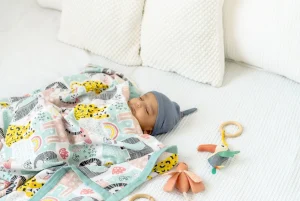
No single product fixes baby sleep for every child.
But here’s the reality — the right products can make a massive difference. Not because they do the work for you, but because they create the right environment for sleep training actually to work.
If you’re in the middle of sleep deprivation, this guide is for you.
What Is Baby Sleep Training, Really?
Baby sleep training is the process of helping your baby learn to fall asleep independently and stay asleep for longer stretches.
It is NOT just about letting a baby cry. It’s about:
- Consistency
- Environment
- Routine
- Gentle repetition
The products below support that process. They are tools — not shortcuts.
- White Noise Machines — The Unsung Hero
If you only buy one sleep training product, make it a white noise machine.
Why it works:
Babies are used to constant sound in the womb. Silence feels unfamiliar. White noise recreates that environment.
It also blocks sudden household noises like:
- Doors closing
- Dogs barking
- Siblings moving around
What to look for:
- Continuous loop (no clicking restart sound)
- Adjustable volume (around 65–70 dB)
- Portable design
- Multiple sound types (white, pink, brown noise)
Popular options:
- Hatch Rest
- LectroFan Classic
- Blackout Curtains — Darkness Signals Sleep
Light is one of the biggest sleep disruptors for babies.
Babies don’t understand clocks — they understand light and darkness.
Why it matters:
Morning sunlight can signal “wake up time” too early.
Benefits:
- Improves nap length
- Encourages longer morning sleep
- Helps regulate circadian rhythm
Travel tip:
Portable blackout blinds (like suction-cup versions) are great for on-the-go naps.
- Sleep Sacks — Safe, Cozy, and Womb-Like
Once your baby outgrows swaddles (around 8–12 weeks), sleep sacks become essential.
Why they help:
- Provide warmth without loose blankets
- Reduce sleep disruptions
- Become part of bedtime routine cues
What to consider:
- TOG rating (temperature control)
- 1.0 TOG = warm rooms
- 2.5 TOG = cooler rooms
- Zipper vs snaps (zippers are easier at night)
- Proper sizing (snug upper body, roomy legs)
Popular brands:
- Kyte Baby
- Woolino
- Nested Bean
- Baby Monitors — Peace of Mind for Parents
Sleep training is emotionally challenging. A monitor helps you avoid unnecessary stress.
Why it helps:
You can see whether your baby is truly distressed or just transitioning between sleep cycles.
Important features:
- Clear night vision
- Two-way audio
- Temperature monitoring
- Long battery life
Popular options:
- Nanit Pro
- Owlet Cam
- Infant Optics DXR-8 Pro
- Crib Soothers — Gentle Sleep Support
These devices attach to the crib and provide sound, motion, or light.
Some even respond automatically when the baby stirs.
Pros:
- Helps babies self-soothe
- Can reduce night wake-ups
Cons:
- May create dependency in some babies
Popular options:
- Fisher-Price Soother toys
- SNOO Smart Sleeper Bassinet
- OK-to-Wake Clocks — For the Future Stage
Not for newborns, but useful later (toddlers and preschoolers).
How it works:
- One color = sleep time
- Another color = wake time
Benefits:
- Reduces early morning wake-ups
- Builds independence
- Removes confusion about time
Popular options:
- Hatch Rest+
- Mirari OK-to-Wake Clock
How to Build a Sleep Training Product System
These products work best together, not alone.
Example setup:
- White noise machine
- Blackout curtains
- Sleep sack
- Baby monitor
This combination creates:
- A consistent sleep environment
- Fewer disturbances
- Better sleep cues
Important Things to Remember
- Every baby is different
What works for one baby may not work for another.
- Age matters
Most sleep training methods are recommended around 4–6 months.
- Products don’t replace parenting
Routine, consistency, and calm behavior matter most.
- Start small
Begin with:
- White noise machine
- Blackout curtains
These two alone often make a noticeable difference.
Final Thoughts
Baby sleep deprivation is one of the hardest parts of early parenting. It affects everything — your health, mood, and daily functioning.
The right tools won’t “fix” sleep overnight, but they can make the process significantly easier.
Think of them as support systems, not solutions.
With time, consistency, and the right environment — better sleep does come.