
Introduction
Maintaining good oral hygiene starts at an early age and using the right toddler toothpaste will go a long way towards dental health for your child. Toddlers’ teeth are at risk of cavities, plaque and other dental problems as they continue to grow and develop. It is a common question that parents ask: which toothpaste is safe, effective, and good for their little ones?
This comprehensive guide will help you to understand all things related to toddler’s toothpaste, its benefits, ingredients, and how you can select the right toothpaste as well as help them to brush their teeth properly.
Why Toddler Toothpaste Matters
Many parents believe that baby teeth are temporary and so they are not very significant. Healthy baby teeth are important for:
- The food is chewed and digested properly.
- Clear speech development
- Holding space for permanent teeth
- Ensure that pain and infection are avoided
- Establishing lifelong oral hygiene habits.
A specially formulated toddler toothpaste helps keep vulnerable teeth safe while ensuring it is safe if it is swallowed while brushing.
Why is toddler toothpaste different?
Toddler toothpaste is much different from adult toothpaste. Toddlers are still developing the skill of spitting, so manufacturers make them with safety in mind.
Key differences include:
Lower Fluoride Levels
Numerous toddler toothpaste contain the correct level of fluoride or are fluoride-free for young children. While fluoride strengthens enamel and protects against cavities, too much fluoride causes dental fluorosis.
Gentle Ingredients
Most toddler toothpaste do not contain harsh chemicals or abrasive ingredients that can irritate sensitive gums.
Mild Flavors
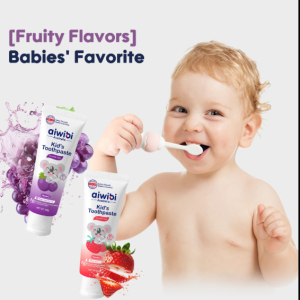
Toddler toothpaste may be flavored with kid-friendly flavors like:
- Strawberry
- Watermelon
- Banana
- Apple
- Bubblegum
Young children enjoy brushing with these flavors.
Toddler toothpaste offers some advantages:Toddler toothpaste has some benefits:
1. Prevents Tooth Decay
One of the most prevalent childhood illnesses is tooth decay. Correct brushing using toddler toothpaste prevents the food and cavity-causing bacteria from the teeth.
2. Strengthens Tooth Enamel
Toothpaste with fluoride makes teeth more resistant to acid attacks by sugary food and drink, which is why toddler toothpaste contains fluoride.
3. Encourages Healthy Habits
Brushing with toddler toothpaste is a fun experience as it is specially formulated for toddlers, fostering good oral hygiene habits.
4. Freshens Breath
Toddler toothpaste gets rid of the bacteria that cause bad breath, and helps keep your child’s breath fresh.
5. Protects Sensitive Gums
Numerous toddler toothpastes contain trite and soothing substances to help keep gums healthy and ease of irritation.
Fluoride vs. Fluoride-Free Toddler Toothpaste
One of the most frequently asked questions by parents is whether to use fluoride or fluoride-free toothpaste.
Fluoride Toothpaste
Advantages:
- Strong cavity protection
- Strengthens enamel
- Recommended by many Dentists
Disadvantages:
- Requires careful supervision
- Too much of the swallowing may lead to fluorosis.
Fluoride-Free Toothpaste
Advantages:
- Safe if swallowed
- Appropriate for very young children
- Frequently prepared using natural ingredients
Disadvantages:
Some of the actions of these products are less effective at cavity prevention.
Talk to your child’s dentist to figure out which is best for your child, depending on age, risk of cavities, and dental health.
This recipe includes these ingredients that are important to consider:
Look for toddler toothpaste that contains the following healthy ingredients:
Fluoride
Helps strengthen teeth and prevent cavities.
Xylitol
Natural sweetener that can help lower bad bacteria in your mouth.
Calcium
Helps build strong teeth.
Aloe Vera
Can help alleviate sensitive gums.
Natural Flavors
Brushing without too many artificial additives is enjoyable.
Ingredients to Avoid
When it comes to parent labels, they should be read carefully and avoid any unnecessary ingredients such as:
Eco-Friendly Detergent: Sodium Lauryl Sulfate (SLS)
May be irritating to sensitive mouths and gums.
Artificial Colors
Some parents have an aversion to synthetic dyes.
Excessive Sweeteners
All sweeteners, even sugar-free ones, should be consumed in moderation.
Harsh Abrasives
May erode over time on delicate enamel.
The amount of toothpaste a toddler uses depends on their age.The amount of toothpaste used by toddlers varies by their age.
It’s important to use the right amount of toothpaste.
Under 3 Years Old
Apply a smear or rice-grain sized application.
Ages 3 to 6
Apply a small amount – like a pea-sized drop.
Parents should supervise their children’s brushing and remind them to spit out the toothpaste after they brush.
How to Brush a Toddler’s Teeth Properly

Here are some quick tips:
Step 1: Select a soft-bristle toothbrush. The first thing to consider is getting a soft-bristle toothbrush.
An infant/toddler toothbrush is best.
Step 2:Apply the appropriate amount of toothpaste. Only give the suggested dose.
Step 3: Brush Gently
Brush in small circles covering:
- Front teeth
- Back teeth
- Chewing surfaces
- Gum line
Step 4:Brush for 2 minutes.Brush for 2 minutes.
Get two minutes of exercise two times a day.
Step 5: Encourage Spitting
Try to teach your child to rinse out the toothpaste after brushing.
Help your child enjoy brushing their teeth.Make brushing fun for your child.
Brush brushing is a common problem and many toddlers refuse to brush. Here are some strategies to help:
- Make brushing your teeth fun.Make brushing your teeth a game.
- Design challenges/adventures in brushing.
- Use a favorite song.Use a favorite song
- Turn on a two-minute song to play when brushing time comes.
- Every child is entitled to pick their own toothbrush.Allow children to select their own toothbrush.
- Toothbrushes can make a big difference in exciting a child when they’re playing a game about their character.
Brush Together
- Kids delight in mimicking their parents.
- Use Reward Charts
Motivation is key and stickers can help to promote regular brushing.
- Common Dental Problems in Toddlers
- Early Childhood Cavities
Too many sugary foods and beverages can cause cavities.
Plaque Buildup
Bacteria can build up when you do not brush properly.
Gum Irritation
Unclean teeth can lead to gum swelling and/or gingivitis.
Tooth Sensitivity
Sensitive teeth can make it uncomfortable to consume food and beverages.
Using a toddler toothpaste, brushing the teeth regularly helps to minimize these problems.
When is the right time to get toddlers using toothpaste?
Toothpaste is recommended by most dental care providers as soon as the first tooth comes in.
Parents should:
- Use a tiny amount
- Supervise brushing
- Make regular dental checkups a habit!
Getting children in to good habits early on.
Choosing the Best Toddler Toothpaste
When looking for toddler toothpaste, take the following points into consideration:
Age Appropriateness
Please be aware of the manufacturer’s recommended age range.
Safety
Search for products that have been tested and approved by trusted dental groups.
Flavor Preference
Select flavours your child will like.
Fluoride Content
Follow your dentist’s recommendations.
Ingredient Quality
Choose products that have ingredients that are safe and mild for children.
Here are some healthy choices for toddler toothpaste.These are some healthy options for toddler toothpaste.
A number of parents prefer natural options.
Natural toddler toothpaste ingredients can include:
-
- Xylitol
- Aloe vera
- Coconut-derived cleansers
- Natural fruit flavors
These products typically do not contain:
- Artificial colors
- Synthetic fragrances
- Harsh chemicals
Make sure that the product is made for toddlers.
Frequently Asked Questions
If swallowed, is toddler toothpaste safe?
The majority of toddler toothpaste is made safe. Children should be encouraged to spit out toothpaste, however, as much as possible.
What is the recommended amount of time for toddlers to brush their teeth?
Twice daily, preferably:
- After breakfast
- Before bedtime
Is there any adult toothpaste for toddlers?
The use of adult toothpaste is not advised as it can have higher fluoride content and higher strength ingredients.
If your toddler doesn’t brush, what should you do?
Be patient, make brushing enjoyable and practice a routine. Positive reinforcement can be useful at times.
When is the best time to have my child get a dentist appointment?
The first dental visit is recommended to take place by the first birthday or within six months of the first tooth coming in.
Conclusion
There are a few important steps to take to ensure your child’s oral health, including selecting the right toddler toothpaste. Using a good toothpaste can prevent cavities, strengthen enamel, promote healthy gums and promote good brushing habits that can last a lifetime.
These can be fluoride or fluoride-free; but instead of looking for the right formula, opt for safety, age-appropriate ingredients and flavors your child will love. A healthy toothpaste for toddlers, combined with regular brushing, a diet of healthy foods and regular dental appointments, can help your little one keep a bright, healthy, strong smile for years to come.
Early dental care investments can set toddlers up for a lifetime of a healthy smile and proper dental hygiene.
Read More about Best Baby Shampoo