
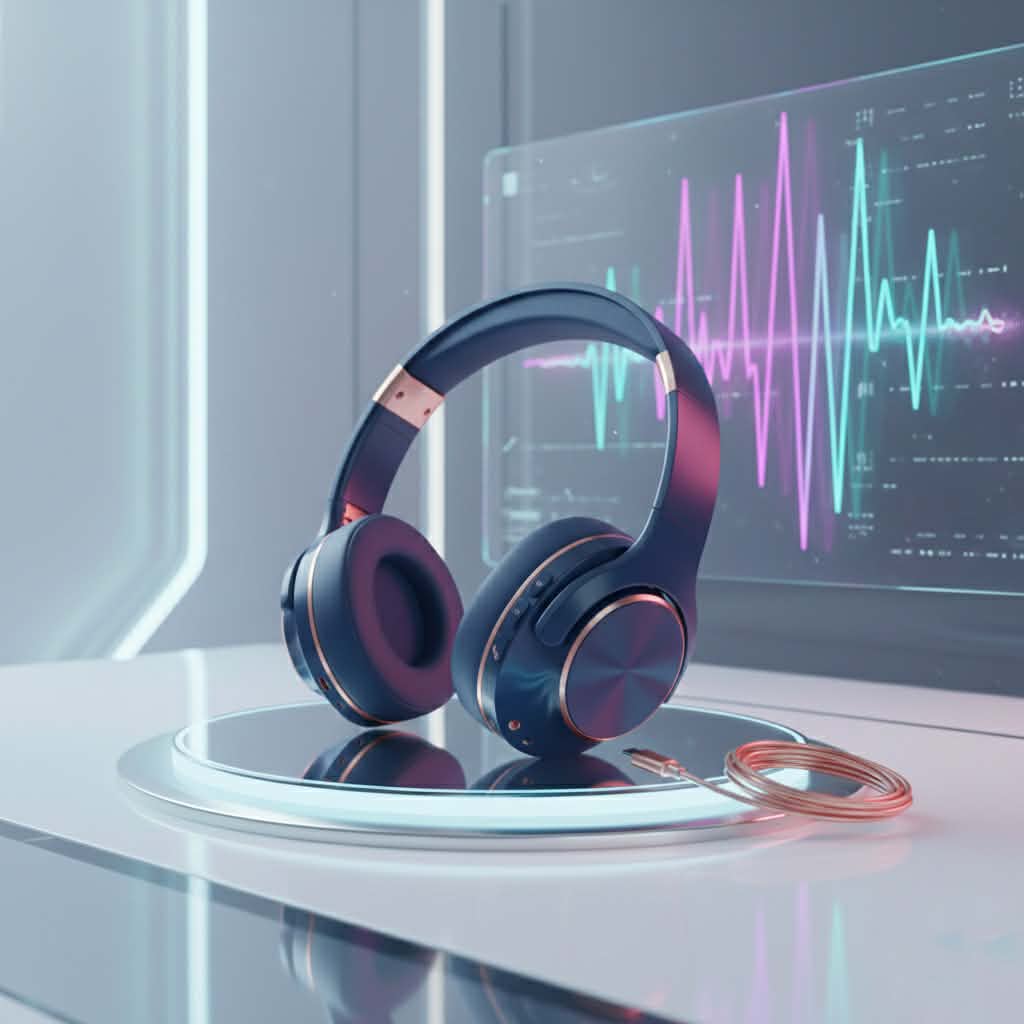
When it comes to headphones, people often wonder what is best for their ears. Music is a part of our lives. We use headphones when we are studying, playing games, commuting or exercising.. It’s easy to overlook whether our headphones are safe for our ears.
The reality is that prolonged exposure to music can permanently damage our ears. More and more teenagers and young adults are losing their hearing due to listening to music at too high a volume for too long, experts who assist individuals with hearing issues say. It’s not just how long we listen, but also what kind of headphones we use and where we use them.
The right pair of headphones can make a huge difference when it comes to protecting our ears. It can help to take the pressure off of our ears. Make the sound better and more comfortable. This guide will inform us about the headphones we use for our hearing and why our ears get tired when we listen to music and how to listen to music without hurting our ears.
Which Headphones Are Safest For Your Ears
Hearing loss can occur gradually. It is not noticed by most people until it is too late. Our ears have very sensitive hair cells. When they get damaged by sounds they do not grow back.
That’s why many professionals who assist individuals with hearing issues stress the significance of safeguarding our ears when we use headphones. The louder the sound and the longer we listen, the risk. Exposure to sounds that are too loud for too long can decrease our hearing.
There are many popular headphones that are too loud. In situations such as buses or trains, we often increase our volume to drown out the noise. This can be very harmful to our ears.
It’s not only about the sound quality when it comes to finding the headphones for our ear health. It’s also about the design, how they fit and how they block out sounds.
Over-Ear Headphones and Ear Safety Benefits
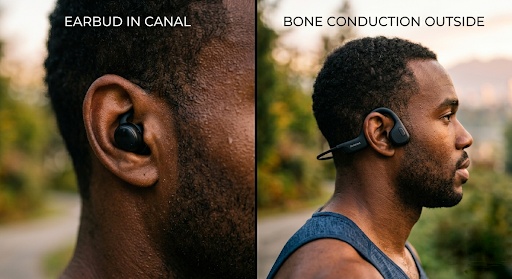
There are types of headphones. Over-ear headphones are headphones that wrap around the ears. They are typically the option. Because the speakers are away from our eardrums the sound is more natural. They also help to block out noises so we don’t have to raise the volume.
There are some over-ear headphones that have a background noise canceling feature. This helps to protect our hearing by minimizing the need to increase the volume.
Why Over-Ear Headphones Are Safer for Your Ears
Over-ear headphones are safer as they exert less pressure on our ear canals and block out other sounds when they are used at lower volumes. They are also easier to use for longer.
On-Ear Headphones and Ear Health Guide
On-ear headphones are placed on the ears. They are lighter and more portable. If used for too long, they can cause pressure to our ears.
From a hearing perspective on-ear headphones are moderately safe if we keep the volume low. But we may need to turn up the volume more frequently, since they allow outside noise to seep in.
On-ear headphones can be safe as long as they block out sounds, limit volume and are comfortable. They are not as safe as over-ear headphones for extended periods of time.
In-Ear Headphones and Earbuds Safety Tips

In-ear headphones, like earbuds are very popular. They are small, wireless and convenient.. If used improperly, they can be dangerous.
Earbuds are placed in our ear canals, so the sound is very close to our eardrums. This can be detrimental to our hearing at high volumes.
But there are some earbuds that can help safeguard our hearing, such as noise cancellation and volume monitoring. These features can actually help to minimize the risk of hearing damage.
The main issue with earbuds is how people use them. We listenfor ten hours at a time as many of us listen to volumes.
For those who like earbuds, the best way to use them is at moderate volume with noise cancellation.
Understanding the 60/60 Rule for Safe Listening
There is a rule to help prevent hearing damage : the 60/60 rule. This means listing at no more than 60% of the maximum volume for no more than 60 minutes at a time. After an hour we should ttake a break to let our ears rest.
This rule is effective because it decreases the loudness of the sound and the duration of exposure.
The advantages of noise-canceling headphones are numerous.Noise-canceling headphones have a lot of advantages.
Noise-canceling headphones are an innovation in headphone safety. They use microphones to pick up noise and cancel it out, so we don’t have to raise the volume as much.
This technology helps protect our hearing by reducing the need for volumes. It also helps to decrease listening fatigue, focus and stress.
Over-the-ear headphones are a popular option for ear health for those who commute or study in noisy environments.
Which Headphones Are Best for Your Ears?
The ideal headphones for your ears are the ones that fit over your ears, have noise cancellation and sound just right and padding that feels comfortable.
Safe Ways to Listen to Music Without Damaging Hearing
The best way to listen to music is to keep the volume at a moderate level and listen for short periods of time, taking breaks occasionally, and to use ear-safe headphones, such as noise-canceling headphones.