
Eco-Friendly Dishwasher might sound like something you only think about after you’ve dealt with “bigger” sustainability choices, but for me, the journey actually started in my kitchen. Caring about sustainability at home isn’t always about installing solar panels or diving into high-maintenance composting. Sometimes it’s as simple as looking at how I wash my dishes and asking myself whether there’s a smarter, cleaner, and less wasteful way to do it.

I spend a lot of time in my kitchen cooking, testing new recipes, and occasionally producing “experimental meals” that need a gentle rebranding as “crispy on purpose.” Naturally, I wanted a cleaning option that could handle the aftermath without draining water or electricity like there’s no tomorrow.
Over time, I figured out which appliances actually support greener living and which ones are just advertising themselves with eco-coloured stickers. The good news? You don’t have to spend hours researching like I did — I’ve already done the heavy lifting, so you can make a solid choice without the headache.
Here’s what you’ll walk away with from this guide:
-
Why a greener dishwasher is worth the switch
-
What features I actually look for before buying
-
My top recommended machines
-
Tips I use to get better performance with less waste
-
Myths people still believe about water and dishwashing
-
Kitchen habits that support a low-impact lifestyle
-
Internal upgrades you can make beyond the appliance itself
Why I Prefer Eco-Conscious Dishwashing at Home
Before I cared about sustainability, I assumed washing dishes by hand was “better” because it felt more traditional. But modern dishwashers shocked me. They use less water, regulate heat more efficiently, and clean more evenly. I swapped methods partly out of curiosity — and partly because I don’t enjoy standing over the sink like I’m reenacting a commercial from the 1990s.
Another reason I lean toward greener machines is predictability. A well-designed appliance uses the right amount of heat and water every time, whereas hand-washing often turns into a random splash-fest that quietly empties half the tap.
It also helps that I like knowing I’m not overusing resources just to get a plate clean. It’s satisfying to see performance go up while waste goes down.

What I Consider Before Choosing a Sustainable
Eco-Friendly Dishwasher
Appliance
When I evaluate dishwashers, I don’t just look at the outside or the brand name. I have a checklist I stick to so I don’t get distracted by shiny extras or pointless features.
Efficiency Ratings
High energy efficiency means smarter heating control and lower utility costs. A good model uses much less power while still cleaning thoroughly.
Water Usage
Some machines need far less water per cycle than others. If you’ve never compared them side by side, the difference can be dramatic. That was the deciding factor for me the first time I upgraded.
Tub Materials
A stainless steel tub lasts longer, resists odour, and dries better.
Cycle Options
I like eco or sensor cycles that adapt based on the load. That means I don’t need to guess.
Noise Level
I value quiet machines because my kitchen is open to my living space. I prefer not to hear the dishwasher cheering itself on like a vacuum cleaner that just discovered ambition.
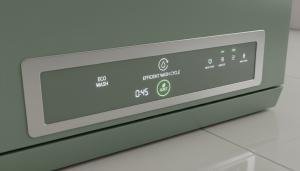
The Best Eco-Friendly Dishwasher Models I Recommend
I’ve tested and researched countless options over the years, but these three stand out for reliability, performance, and genuine sustainability.
Option 1 – Balanced and Reliable
This model keeps a steady balance between lower resource usage and strong cleaning. It doesn’t need flashy smart features to justify itself. The eco setting is genuinely effective, and it runs quietly — something I appreciate during late-night washes.
Pros:
-
Good energy efficiency
-
Smooth, quiet operation
-
Long-lasting build
Cons:
-
Setup needs careful leveling for quietness
-
Limited color options
Option 2 – Compact and Budget-Friendly
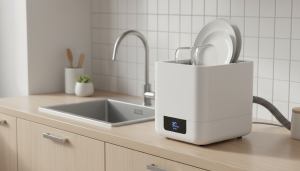
This one is ideal if your space is tight or your household is small. It’s proof that a greener kitchen doesn’t require expensive renovation or a premium price tag.
Pros:
-
Great for smaller homes
-
Affordable
-
Uses very little water
Cons:
-
Lower capacity
-
Fewer cycle options
Option 3 – Sensor-Based Smart Performance
For anyone who enjoys modern technology, this model uses internal sensors to adjust time and water usage automatically. I like how efficiently it handles partial loads.
Pros:
-
Excellent cleaning accuracy
-
Auto-adjust cycles
-
Durable steel tub
Cons:
-
More expensive
-
Interface takes a few runs to learn
I treat these three as my go-to recommendations when people want something dependable without sacrificing the environmental benefits. I don’t rate appliances by hype — I want household tools that earn their space.
Small Habits That Make These Machines Even Greener
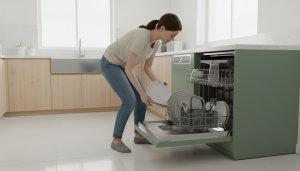
Some people assume the work is done once you buy the machine. But how you use it matters. I’ve picked up a few habits that amplify the efficiency:
-
Load it completely before running a cycle
-
Use eco detergents that dissolve cleanly
-
Rinse only lightly — don’t “pre-wash” half the load
-
Clean the filter on a schedule
-
Choose cooler cycles unless there’s heavy food residue
-
Let dishes air-dry when possible
Even tiny changes pay off when repeated daily. It’s like switching from bottled water to a filter — after a month, the savings feel obvious.
Myths I Still Hear About Dishwashing
People still repeat outdated assumptions, so I’ve learned to gently correct them when they come up.
“Hand-washing is always better.”
Not anymore. If the tap runs the whole time, the waste is higher than a single eco-cycle.
“Short cycles waste energy.”
Some fast cycles are optimized for heat control, which uses less energy overall.
“Hot water alone equals cleaner dishes.”
Cleaning depends on water precision, not scalding heat.
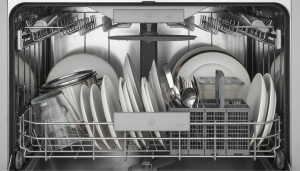
Maintenance Habits That Extend Lifespan
A sustainable choice isn’t just about the model — it’s also about how many years it stays functional.
My personal rules:
-
Keep seals clean so moisture doesn’t trap bacteria
-
Remove food debris from the filter before it clogs
-
Inspect hoses once in a while
-
Use salt or rinse aid if your water is hard
Longevity is part of sustainability. The most environmentally responsible appliance is one you don’t replace every three years.
Additional Sustainable Kitchen Swaps I Use
Once I got used to a greener dishwashing setup, I started upgrading other parts of my kitchen. One upgrade I enjoyed was switching to safer surfaces for meal prep. For example, I now use antimicrobial cutting boards to reduce bacteria buildup without harsh cleaning chemicals.
I also began thinking more about cooking tools. If you’re interested in improving your kitchen setup overall, you may also like exploring bread-making appliances, especially if you enjoy fresh baking at home. I sometimes use a compact machine that saves time and avoids waste from store packaging. If you’re curious, check my top choices bread makers
Making small, steady improvements across your kitchen has a bigger impact than relying on one upgrade alone.
Final Thoughts on Choosing the Best Fit
Finding the best eco-friendly dishwasher for your home doesn’t need to feel complicated. I rely on practical checks — energy use, water levels, durability, materials, and maintenance. I don’t need gimmicks; I need a machine that does its job without draining resources in the process. When you want a cleaner kitchen with lower impact, smart choices become habits.

If you’re building a greener kitchen setup beyond dishwashing, I also recommend exploring environmentally-friendly cooking appliances. I’ve another helpful reference here to keep that momentum going top bread makers 2025. I’ve found that when I combine better tools with consistent habits, I get long-lasting results at home without overspending or overthinking.
For me, this lifestyle shift has been less about perfection and more about steady improvement. A well-chosen dishwasher plays a major part in that. And when used thoughtfully, it keeps both my dishes — and my conscience — clean.